Introduction
In modern households, the fridge is no longer just a kitchen appliance—it’s an essential part of daily life that ensures food safety, freshness, and convenience. From preserving vegetables and fruits to storing leftovers, a fridge plays a pivotal role in reducing food waste and maintaining a healthy lifestyle. But with so many models, sizes, and technologies available, choosing the right fridge can be overwhelming. This comprehensive guide will explore the latest innovations, buying tips, energy efficiency strategies, and care techniques to help you make an informed decision.
Why the Fridge Is Essential in Every Home
A fridge is one of the most used appliances in the kitchen. Its primary function is to slow down bacterial growth in perishable food items, keeping them safe for consumption. Beyond this, modern fridges offer multiple compartments, temperature control features, and even smart technologies that allow you to monitor food items remotely.
Key Benefits of a Modern Fridge
- Preserves Freshness: With precise temperature controls, your fridge ensures fruits, vegetables, dairy, and meat stay fresh longer.
- Reduces Food Waste: A well-organized fridge helps you track expiry dates and plan meals efficiently.
- Energy Efficiency: Modern fridges consume less power, reducing your electricity bills while being environmentally friendly.
- Convenience: Features like automatic ice makers, door-in-door access, and humidity-controlled drawers make your daily routine easier.
Types of Fridges: Choosing What Fits Your Lifestyle
When selecting a fridge, it’s important to consider the type that best suits your kitchen space, family size, and lifestyle. Here are the main types of fridges available today:
Top Freezer Fridges
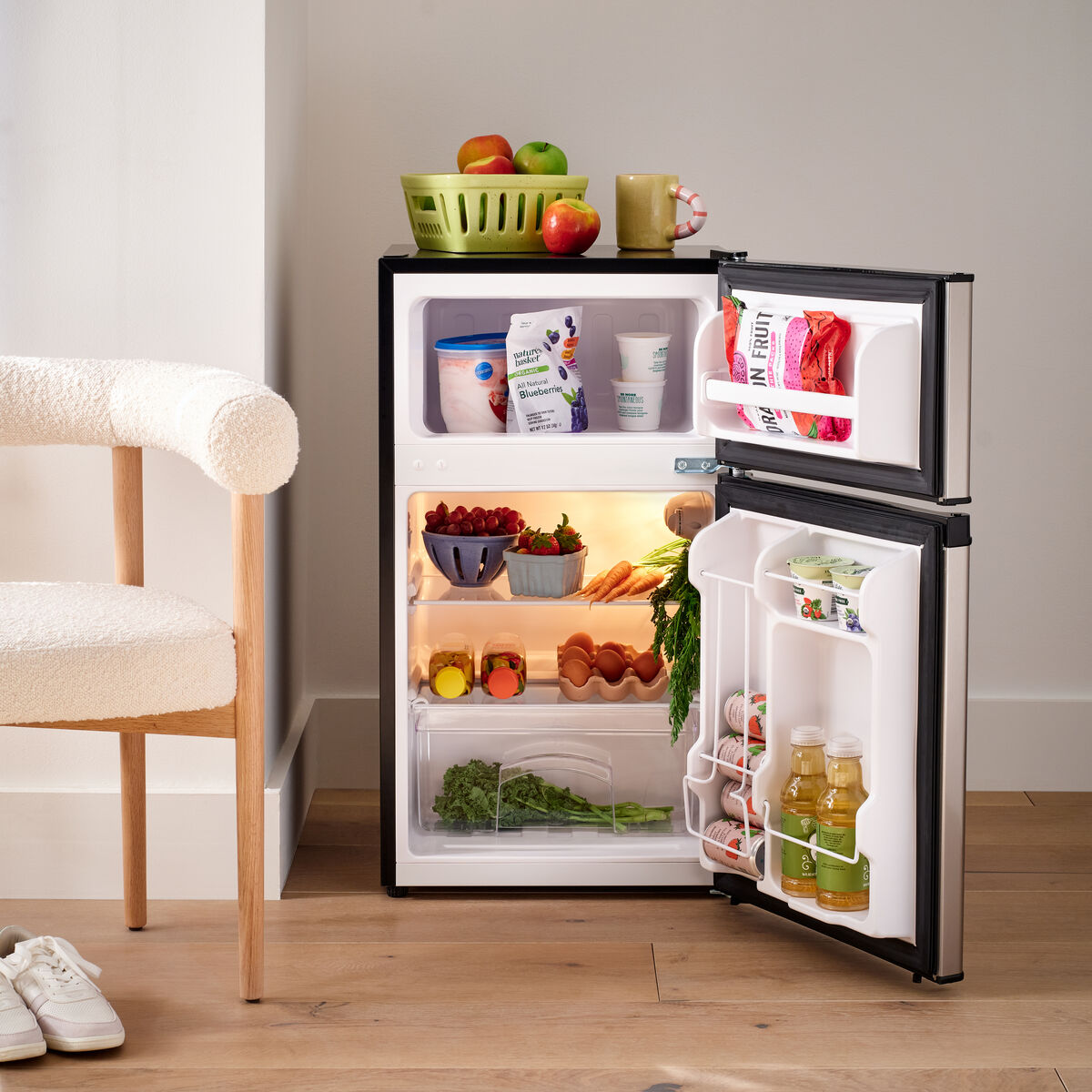
Top freezer fridges are the most traditional models. The freezer compartment is located above the fridge section. They are compact, budget-friendly, and ideal for smaller households. These fridges are simple to use, have fewer components, and are generally more energy-efficient compared to side-by-side models.
Bottom Freezer Fridges
Bottom freezer fridges are designed for easier access to fresh food at eye level. With the freezer located at the bottom, these fridges reduce bending while retrieving frequently used items. Many models include pull-out freezer drawers and separate compartments for organized storage.
Side-by-Side Fridges
Side-by-side fridges have a vertical split, with the freezer on one side and the refrigerator on the other. These models offer wide shelves, ice and water dispensers, and ample storage space. They are suitable for larger families and those who prioritize convenience and modern design.
French Door Fridges
French door fridges combine the best of side-by-side and bottom freezer designs. With double doors for the fridge section and a bottom freezer drawer, these fridges offer a stylish look and smart storage solutions. Many models also include smart cooling zones, humidity controls, and advanced air filtration systems.
Compact and Mini Fridges
Ideal for dorm rooms, offices, or small apartments, compact fridges are small, portable, and efficient. While they don’t offer advanced features, they are perfect for beverages, snacks, or temporary storage needs.
Must-Have Features in a Modern Fridge
When buying a fridge, consider features that enhance convenience, energy efficiency, and food preservation:
Adjustable Shelves and Storage
Flexible shelves allow you to store large items like cake boxes, water bottles, or party platters. Door bins and drawers should also be adjustable for maximum customization.
Temperature and Humidity Control
Maintaining optimal temperature is crucial for food safety. Advanced fridges offer dual cooling systems that keep fruits and vegetables fresh by controlling humidity levels.
Smart Technology
Smart fridges can connect to Wi-Fi, allowing you to monitor inventory, control temperature, and receive alerts on your smartphone. Some models even suggest recipes based on the ingredients stored inside.
Energy Efficiency
Look for fridges with high energy star ratings. Modern compressors, inverter technology, and LED lighting reduce power consumption without compromising performance.
Ice and Water Dispensers
Integrated ice makers and water dispensers provide convenience and reduce trips to the kitchen faucet. Advanced models even have filtration systems that remove impurities from the water.
Door-in-Door Access
This feature allows you to quickly access frequently used items without opening the entire fridge, helping maintain a consistent internal temperature.
Tips for Maintaining Your Fridge
A well-maintained fridge lasts longer and operates efficiently. Follow these tips to ensure optimal performance:
- Clean Regularly: Wipe shelves, drawers, and gaskets weekly to prevent bacteria buildup.
- Check Seals: Ensure door seals are tight to prevent cold air from escaping.
- Avoid Overloading: Overfilling can block airflow, making the fridge work harder and consume more energy.
- Defrost When Needed: Manual defrost fridges require occasional thawing to maintain efficiency.
- Keep It Away from Heat Sources: Avoid placing your fridge near ovens, stoves, or direct sunlight.
Energy Efficiency Tips
Modern fridges are designed to save energy, but you can further optimize their performance:
- Set the fridge temperature between 37–40°F (3–4°C) and the freezer at 0°F (-18°C).
- Keep the fridge full but not overcrowded; cold air circulates better around stored items.
- Regularly check the condenser coils at the back or bottom of the fridge and clean dust buildup.
- Consider inverter compressor models, which adjust their speed based on cooling demand, reducing electricity consumption.
Latest Innovations in Fridge Technology
The world of refrigeration is constantly evolving. Here are some innovations that make modern fridges smarter and more efficient:
Multi-Airflow Cooling
Multi-airflow technology distributes cold air evenly across all shelves, ensuring consistent temperature and reducing the risk of food spoilage.
Anti-Bacterial and Odor Control
Some fridges now come with air purification filters or antimicrobial linings to reduce bacteria and unpleasant odors, keeping food fresher for longer.
Smart Inventory Management
Smart fridges with internal cameras can track items, notify you when supplies run low, and even suggest recipes based on what’s available.
Flexible Compartments
Adjustable compartments allow you to convert fridge drawers into freezer sections, offering flexibility based on your storage needs.
Eco-Friendly Refrigerants
Modern fridges use hydrofluoroolefins (HFOs) and natural refrigerants that have a lower environmental impact compared to traditional chemicals.
How to Choose the Right Fridge for Your Home
Choosing the perfect fridge depends on your family size, kitchen space, and lifestyle. Here’s a simple buying guide:
- Assess Your Kitchen Space: Measure the space and door clearance before buying a fridge.
- Consider Family Size: A small family may need a 250–350 liter fridge, while larger households may require 500 liters or more.
- Decide on the Type: Top freezer, bottom freezer, side-by-side, French door, or compact.
- Check Energy Ratings: Higher-rated fridges save electricity and reduce utility bills.
- Look for Features You’ll Use: Avoid paying for features you won’t utilize regularly.
Common Mistakes to Avoid When Buying a Fridge
- Ignoring Energy Efficiency: Low-cost fridges may save money initially but increase electricity bills over time.
- Overlooking Storage Needs: A fridge too small for your family will be inconvenient.
- Neglecting Maintenance Considerations: Check if spare parts and service are readily available.
- Choosing Style Over Function: While aesthetics matter, functionality is more critical for daily use.
Future Trends in Fridges
As technology evolves, fridges are becoming smarter and more sustainable. Some expected trends include:
- AI-Integrated Fridges: Predictive cooling and smart recipe suggestions.
- Energy-Neutral Designs: Solar-powered or ultra-low-energy fridges.
- Advanced Preservation Technology: Freshness tracking sensors and humidity-optimized compartments.
- Recyclable Materials: Eco-conscious consumers can expect fridges built from sustainable, recyclable materials.
Conclusion
A fridge is much more than a food storage appliance—it is an investment in convenience, food safety, and energy efficiency. With the right knowledge, you can choose a model that fits your home, lifestyle, and budget. Whether you prefer a compact mini fridge for small spaces or a French door model with smart features, paying attention to energy efficiency, storage options, and maintenance will ensure your fridge serves you for years. By understanding the types, features, innovations, and care tips, you are well-equipped to make a smart decision and enjoy fresh, safe, and delicious food every day.
Read More:- Best Mini Fridge with Freezer: Compact, Efficient & Modern Choices