Introduction
In today’s world, where space is often at a premium, a small fridge has become more than just an accessory—it’s a necessity. Whether you live in a tiny apartment, a dorm, a studio, or need an extra cooling solution for your office or garage, a small fridge offers practical and efficient storage for your food and beverages. This guide explores everything you need to know about choosing, using, and maintaining a small fridge, including features, energy efficiency, storage tips, and buying advice.
Why Choose a Small Fridge?
Choosing a small fridge over a traditional full-sized refrigerator often comes down to space, convenience, and cost-effectiveness. Here’s why many people opt for compact refrigerators:
- Space-Saving Design – Small fridges are perfect for areas where a full-sized fridge won’t fit. They can easily slide under counters, fit into corners, or sit neatly in a dorm room.
- Energy Efficiency – Compact refrigerators usually consume less electricity compared to standard fridges, making them environmentally friendly and cost-effective.
- Portability – Many small fridges are lightweight and can be moved easily, ideal for temporary spaces or seasonal setups.
- Affordability – Generally, small fridges come with a lower price tag, making them accessible for students, first-time renters, or anyone looking for budget-friendly cooling.
- Specialized Use – Some small fridges are designed to store beverages, snacks, or medication, offering dedicated cooling for specific needs.
By considering these benefits, it becomes clear why small fridges have gained popularity in modern homes and workplaces.
Types of Small Fridges
When looking for a small fridge, it’s essential to understand the different types available. Each type serves different purposes and comes with unique features:
Mini Fridges
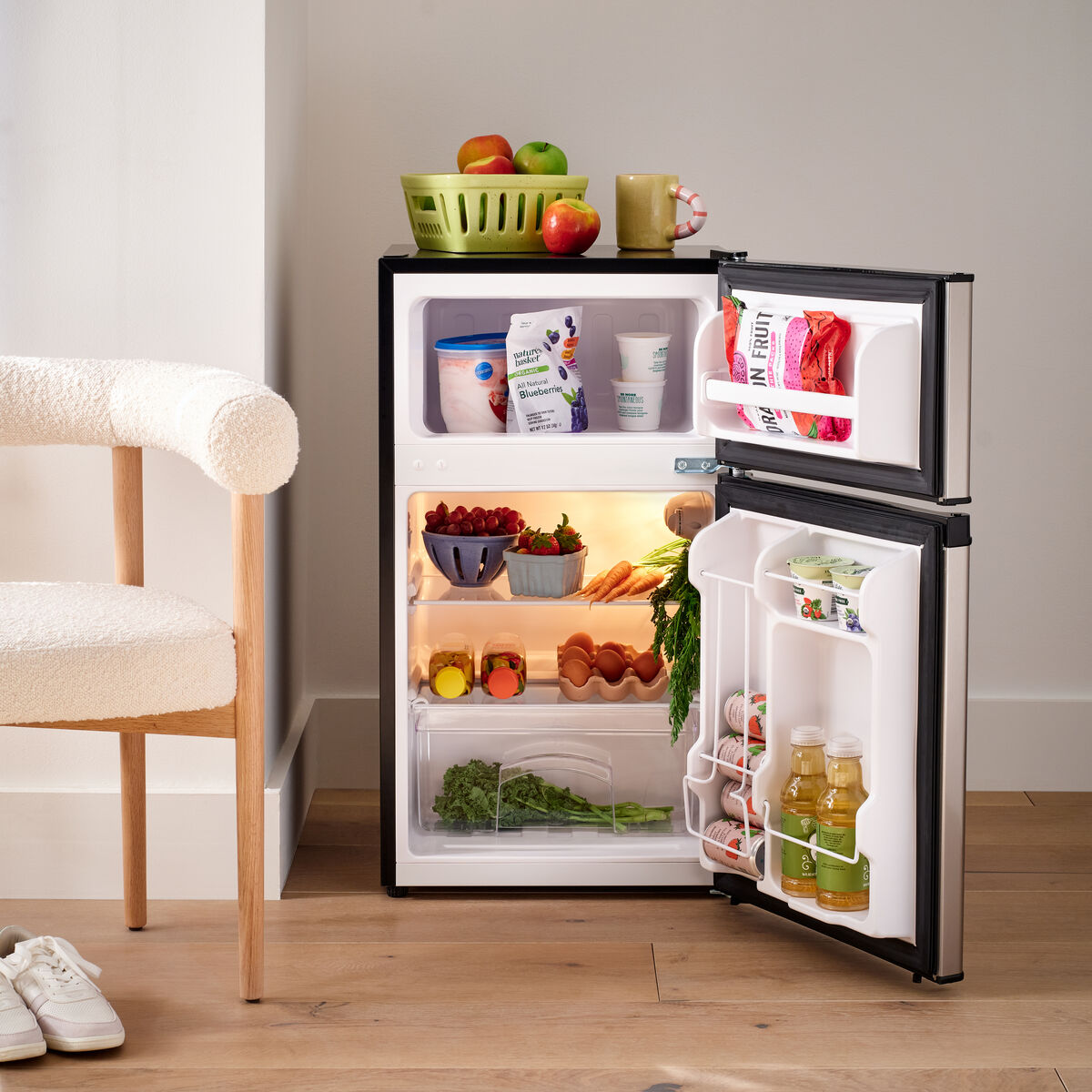
Mini fridges are typically under 4 cubic feet in capacity. They are perfect for single users, dorm rooms, or offices. Despite their small size, many mini fridges include freezer compartments, adjustable shelves, and energy-saving features.
Compact Refrigerators
Compact refrigerators usually range from 4 to 7 cubic feet and can store more items than mini fridges. These are ideal for apartments or shared living spaces where a small, functional fridge is still needed without taking up too much room.
Beverage Fridges
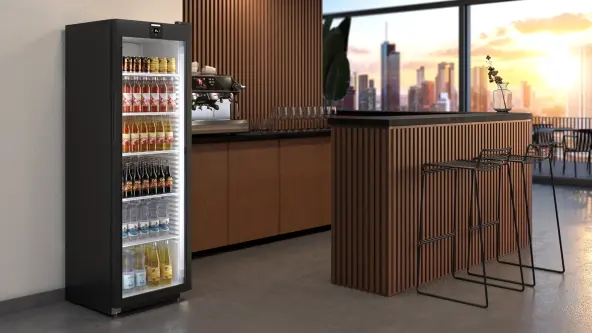
Beverage small fridges are designed to store drinks rather than food. They are commonly used in game rooms, offices, or home bars and often include glass doors for visibility and display purposes.
Cube Fridges
Cube-style fridges are ultra-compact and mostly used for temporary storage or small snacks. These are common in bedrooms, hotel rooms, or travel situations where only minimal storage is needed.
Thermoelectric Small Fridges
Unlike traditional refrigerators that use compressors, thermoelectric small fridges use a cooling plate to maintain temperatures. They are quieter and lightweight but might not reach very low freezing temperatures. Ideal for beverages and short-term food storage.
Key Features to Consider
Buying a small fridge requires understanding the features that will enhance usability and convenience. Here are some key factors:
Capacity
The first step is determining the right size for your needs. Mini fridges typically range from 1.7 to 4.5 cubic feet, while compact fridges go up to 7 cubic feet. Think about what you intend to store—drinks, snacks, full meals—and choose accordingly.
Energy Efficiency
Look for small fridges with an Energy Star rating to save on electricity bills. Modern models are designed to consume minimal power while providing effective cooling.
Adjustable Shelves and Compartments
Flexibility is essential. Fridges with adjustable shelves or removable compartments allow you to store larger bottles, meal prep containers, or unusual items conveniently.
Freezer Compartment
Many small fridges come with a mini freezer section. This is useful for ice, frozen meals, or long-term storage of perishable items, even in a compact unit.
Temperature Control
A temperature control dial or digital thermostat ensures that your small fridge can maintain the ideal temperature for your specific needs. This is especially important for beverages, dairy, and delicate foods.
Noise Level
Small fridges can vary in how much noise they produce. If your fridge will be in a bedroom or office, opt for models known for quiet operation.
Door Reversibility
Some small fridges allow you to reverse the door swing, making installation more flexible in tight spaces.
Design and Style
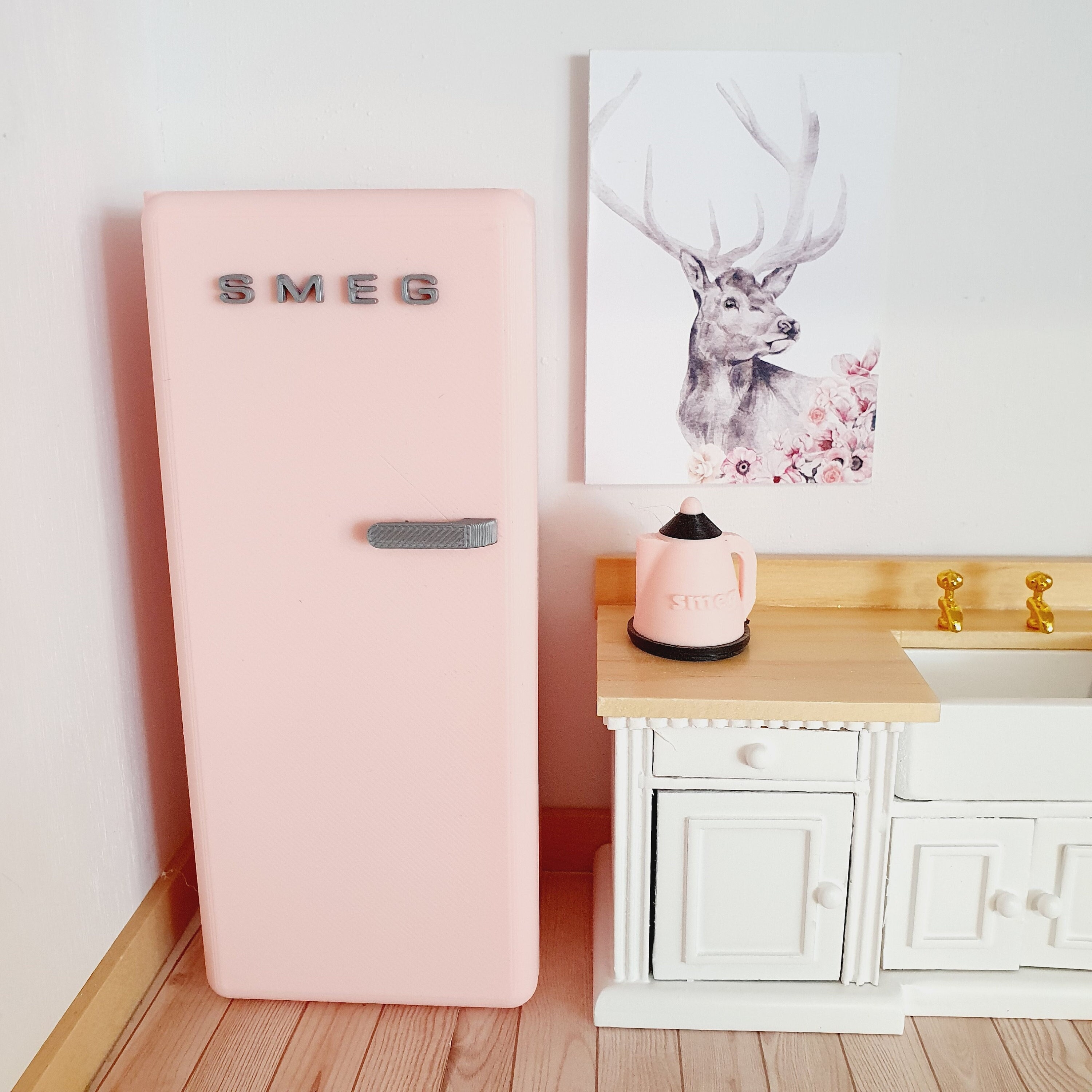
From sleek stainless steel finishes to colorful retro designs, small fridges now offer aesthetics alongside function. Choose one that complements your space.
How to Organize a Small Fridge
One common challenge with small fridges is storage optimization. Here are practical tips:
-
Use Clear Bins – Small bins help organize snacks, condiments, or fruits. This avoids clutter and makes items easier to access.
-
Label Shelves – Assign shelves for drinks, leftovers, and perishable foods to create a routine that keeps the fridge tidy.
-
Stack Vertically – Utilize stackable containers to maximize vertical space without overcrowding.
-
Door Storage – Store frequently used items like beverages, sauces, or butter in door compartments.
-
Rotate Items – Keep older items at the front to ensure nothing goes to waste, a key practice for small fridges with limited space.
Proper organization not only makes a small fridge more efficient but also extends the life of stored food.
Maintenance Tips for Longevity
Maintaining a small fridge properly ensures it functions efficiently for years. Here’s how to care for your compact appliance:
-
Clean Regularly – Wipe shelves, doors, and drawers with mild soap and water. Avoid harsh chemicals that could damage surfaces.
-
Defrost Freezer Sections – If your fridge has a freezer, defrost it periodically to prevent ice buildup, which reduces efficiency.
-
Check Door Seals – Ensure the rubber gasket seals tightly to prevent cold air leakage, which increases electricity use.
-
Avoid Overloading – Overstuffing a small fridge limits air circulation, reducing cooling efficiency.
-
Keep Away from Heat Sources – Position your fridge away from ovens, heaters, or direct sunlight for optimal performance.
-
Temperature Settings – Adjust the thermostat according to usage. Too cold can freeze fresh produce; too warm can spoil perishables.
Following these practices extends the life of your small fridge and keeps energy consumption low.
Advantages of Owning a Small Fridge
While the benefits were briefly mentioned earlier, it’s worth exploring them in detail:
-
Convenience – Small fridges provide easy access to your daily essentials without the hassle of navigating a large fridge.
-
Energy Savings – They consume significantly less electricity than full-sized models, reducing your monthly utility bills.
-
Versatility – Ideal for second homes, dorm rooms, garages, offices, and travel, they adapt to various environments.
-
Cost-Effective Storage – Small fridges allow you to store essentials without paying for unnecessary capacity.
-
Customizable Usage – Some small fridges are specifically designed for beverages, wines, or specialized food storage, providing tailored cooling solutions.
Popular Uses for a Small Fridge
The versatility of a small fridge goes beyond typical kitchen use:
-
Dorm Rooms – Perfect for college students storing snacks, beverages, and leftovers.
-
Office Spaces – Ideal for keeping lunch, drinks, or personal items chilled at work.
-
Apartments and Studios – Compact living spaces benefit from a small fridge that fits under counters or in closets.
-
Gaming Rooms or Home Bars – Beverage fridges keep drinks accessible during entertainment sessions.
-
Medical Storage – Small fridges can store medication, vaccines, or supplements requiring low temperatures.
-
Travel and RVs – Portable small fridges make long trips more comfortable, ensuring fresh food storage.
These use cases highlight why a small fridge is not just an accessory but an essential appliance in modern lifestyles.
Common Myths About Small Fridges
Despite their popularity, there are misconceptions about small fridges:
-
Myth 1: Small Fridges Aren’t Powerful – Modern small fridges can maintain stable temperatures, including freezer functions, and are comparable in performance to larger models for their size.
-
Myth 2: They Can’t Store Enough – With proper organization and stackable containers, small fridges efficiently hold more than you might expect.
-
Myth 3: High Noise Levels Are Inevitable – Many contemporary small fridges operate quietly, suitable for bedrooms and offices.
-
Myth 4: Only Students Use Them – Small fridges are versatile for homes, offices, and specialized storage, far beyond student use.
Understanding these facts ensures buyers make informed decisions without being misled by common assumptions.
How to Choose the Best Small Fridge
Selecting the right small fridge requires balancing size, functionality, and lifestyle needs. Follow these steps:
-
Assess Space – Measure the area where the fridge will be placed. Allow extra room for ventilation.
-
Determine Storage Needs – Consider the type and quantity of items you plan to store.
-
Check Energy Ratings – Look for energy-efficient models to reduce long-term costs.
-
Prioritize Features – Decide if you need a freezer, beverage section, adjustable shelves, or door storage.
-
Read Reviews – Customer feedback can reveal reliability, noise levels, and durability.
-
Set a Budget – Small fridges vary in price; choose one that balances features with affordability.
-
Consider Design – Select a model that complements your space aesthetically.
Conclusion
A small fridge is a practical, versatile, and efficient solution for modern living. From dorm rooms to offices, home bars to medical storage, its compact size does not limit its utility. By understanding the types, features, and maintenance practices, you can maximize the lifespan and performance of your small fridge. Whether you are seeking energy savings, portability, or simply a stylish cooling solution, investing in a high-quality small fridge is a smart choice for anyone looking to optimize their space without sacrificing convenience.
By considering capacity, design, and energy efficiency, you can select the ideal small fridge that meets your specific lifestyle needs. With proper organization and care, this compact appliance becomes an essential part of daily life, keeping food and beverages fresh and accessible while fitting seamlessly into any environment.
Read More:- Fridge for Sale: The Ultimate Guide to Choosing the Perfect Refrigerator