Exterior Design of House Ideas for Modern and Elegant Living


Introduction
The exterior design of house plays a significant role in defining the overall appearance, value, and functionality of a property. It is the first thing visitors notice and creates a lasting impression about the people living inside. A thoughtfully planned exterior not only enhances curb appeal but also improves comfort, energy efficiency, and long-term durability. Whether you are building a new home or renovating an existing one, investing time in designing the outer appearance of your property can transform its character completely.
Modern homeowners are increasingly focusing on creating exteriors that blend aesthetics with practicality. From selecting the right materials and colors to incorporating landscaping and architectural details, every element contributes to the final outcome. Understanding the principles of exterior design can help homeowners make informed decisions that align with their lifestyle and preferences.
Importance of Exterior Design
A well-planned exterior design of house contributes significantly to a home’s market value and visual appeal. Potential buyers often form opinions within seconds of seeing a property, making the exterior an essential aspect of real estate investment. Attractive exteriors can increase buyer interest and even influence the selling price.
Beyond aesthetics, exterior design also affects maintenance requirements and environmental performance. Durable materials reduce repair costs, while strategic placement of windows and shading elements can improve energy efficiency. Proper planning ensures that the home remains functional and visually appealing for many years.
The exterior should reflect the personality of homeowners while maintaining harmony with the surrounding neighborhood. Achieving the right balance between individuality and consistency creates a welcoming atmosphere that stands out positively.
Choosing an Architectural Style

Selecting an architectural style is one of the first steps in developing an effective exterior design of house. Popular styles include contemporary, traditional, minimalist, farmhouse, colonial, and Mediterranean designs. Each style has unique characteristics that influence roofing patterns, window designs, textures, and decorative elements.
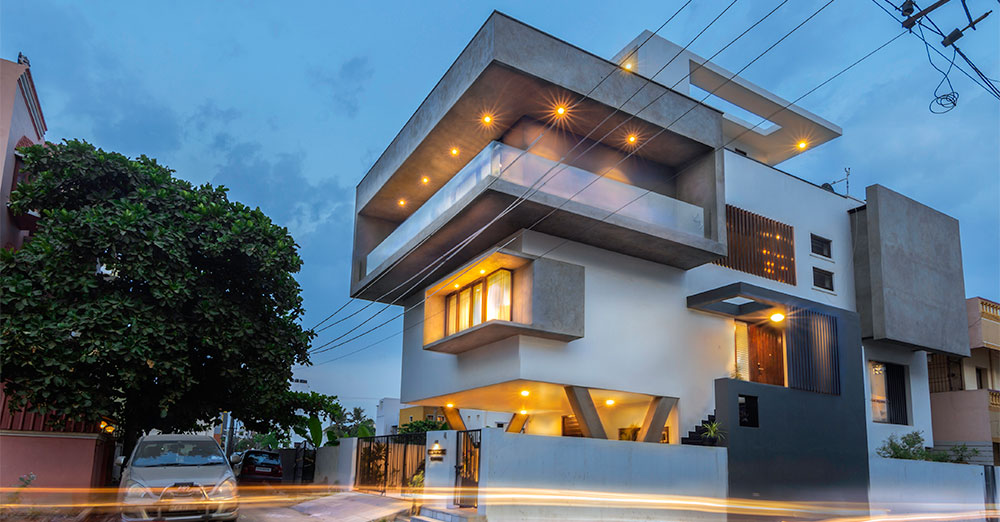
Contemporary homes often emphasize clean lines, large glass panels, and simple geometric forms. Traditional houses may feature pitched roofs, symmetrical layouts, and detailed trims. Farmhouse styles incorporate natural materials and inviting front porches, creating a warm and comfortable appearance.
Choosing a style that aligns with personal taste, climate conditions, and functional requirements helps create a cohesive design. Consistency across all exterior components strengthens the visual identity of the property.
Selecting Exterior Materials
The choice of materials significantly impacts both the appearance and longevity of a home’s exterior. Brick, stone, wood, fiber cement, concrete finishes, and metal accents are commonly used to achieve different architectural effects.
Natural stone provides timeless elegance and durability, while wood offers warmth and character. Fiber cement siding is valued for its resistance to weather and pests, making it a practical choice for many regions. Combining multiple materials can add depth and visual interest when executed thoughtfully.
Homeowners should consider maintenance needs, local climate conditions, and budget constraints before making final decisions. High-quality materials often deliver better performance and reduce long-term expenses associated with repairs and replacements.
Exterior Color Selection
Color schemes have a powerful influence on the overall exterior design of house. The right combination of colors can highlight architectural details and create a welcoming atmosphere. Neutral tones such as white, beige, gray, and soft earth shades remain popular because of their timeless appeal.
Accent colors can be introduced through front doors, shutters, window frames, or decorative elements to add personality without overwhelming the design. Contrasting shades often help emphasize structural features and create visual balance.
When selecting colors, homeowners should consider the surrounding landscape, neighborhood aesthetics, and local environmental conditions. Testing paint samples under natural lighting conditions ensures accurate evaluation before committing to a final choice.
Enhancing Curb Appeal
Curb appeal refers to the attractiveness of a property when viewed from the street. Enhancing curb appeal involves paying attention to landscaping, pathways, lighting, fencing, and entrance features. Even small improvements can dramatically elevate the appearance of a home.
A well-maintained lawn, colorful flower beds, and strategically placed plants contribute to a polished exterior presentation. Clean walkways and attractive driveways improve accessibility while reinforcing the overall design theme.
The front entrance deserves special attention because it serves as the focal point of the exterior. Stylish doors, quality hardware, and decorative lighting fixtures can create a memorable first impression for guests and potential buyers alike.
Importance of Outdoor Lighting
Lighting is often overlooked in residential design despite its significant impact on safety and aesthetics. Proper illumination enhances architectural features and extends the usability of outdoor spaces after sunset.
Wall-mounted fixtures, pathway lights, landscape spotlights, and porch lighting can work together to establish a balanced lighting scheme. Energy-efficient LED solutions offer durability and reduced electricity consumption.
Well-designed lighting systems improve visibility around entry points and walkways, reducing potential hazards. At the same time, they create a sophisticated ambiance that enhances the beauty of the exterior design of house during evening hours.
Landscaping and Green Spaces
Landscaping is an integral component of successful exterior planning. Trees, shrubs, flowers, and garden features soften architectural lines and establish a connection between the built environment and nature.
Selecting plants suitable for local climate conditions minimizes maintenance efforts and supports sustainability. Native species often require less water and adapt more effectively to regional environments.
Outdoor seating areas, decorative planters, and garden pathways can further enrich the experience of outdoor living. Thoughtful landscaping contributes to privacy, shade, and overall well-being while strengthening the visual appeal of the property.
Sustainable Exterior Design Practices

Sustainability has become an important consideration in modern residential architecture. Homeowners are increasingly seeking environmentally responsible solutions that reduce resource consumption and environmental impact.
Energy-efficient windows, insulated wall systems, reflective roofing materials, and rainwater harvesting systems can improve performance without compromising style. Incorporating recycled or locally sourced materials supports sustainable construction practices.
The exterior design of house should not only focus on immediate aesthetics but also consider future environmental responsibilities. Sustainable choices benefit both homeowners and the broader community through reduced operational costs and enhanced resilience.
Planning for Long-Term Maintenance
Maintenance considerations should influence every design decision. Selecting materials and finishes that withstand local weather conditions ensures lasting performance and reduces upkeep requirements.
Regular inspections of roofing, drainage systems, exterior coatings, and landscaping help identify issues before they escalate into costly repairs. Preventive maintenance preserves the appearance and structural integrity of the home.
A practical design approach balances beauty with durability. By prioritizing quality craftsmanship and appropriate material selection, homeowners can enjoy attractive exteriors that remain functional over time.
Conclusion
A thoughtfully executed exterior design of house combines creativity, practicality, and long-term vision. From architectural style selection and material choices to landscaping and lighting, each element contributes to creating a cohesive and inviting environment. Investing in exterior improvements enhances curb appeal, increases property value, and provides homeowners with a sense of pride in their living space.
As design trends continue to evolve, the principles of balance, functionality, and sustainability remain essential. By carefully planning every aspect of the exterior, homeowners can create residences that reflect their personality while meeting practical needs. Ultimately, an appealing and well-maintained exterior serves as a powerful expression of comfort, style, and lasting quality.