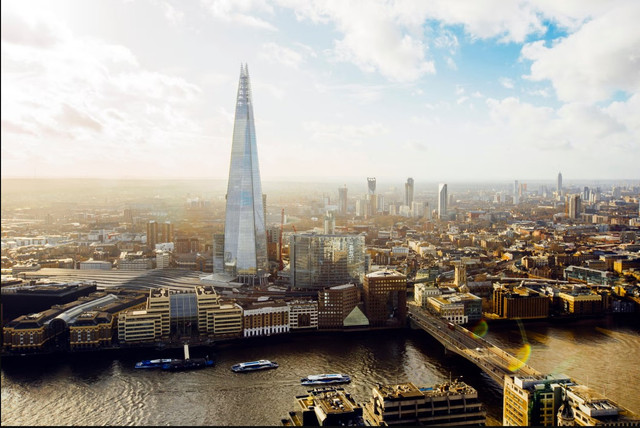
From ancient monuments to modern skyscrapers, famous buildings have always reflected the creativity, culture, and engineering achievements of civilizations. These iconic structures are more than just places made of stone, steel, or glass—they tell stories of history, innovation, religion, politics, and human ambition. Every year, millions of travelers visit these landmarks to admire their beauty, learn about their significance, and experience their remarkable architecture firsthand.
Whether standing for centuries or representing cutting-edge design, famous landmarks continue to inspire architects and visitors alike. Some symbolize national pride, while others have become internationally recognized symbols of their countries. In this article, we will explore some of the world’s most celebrated structures, understand why they remain significant, compare their unique features, and discover how architecture has evolved across different eras.
What Makes Buildings Become World Famous?
Not every large or beautiful structure becomes internationally recognized. Famous buildings achieve their status through a combination of historical importance, architectural excellence, cultural influence, and public recognition. Many have witnessed defining moments in history, while others showcase groundbreaking engineering techniques that transformed construction forever.

Architecture often reflects the values and technologies of the time in which it was built. Ancient civilizations created monuments that demonstrated religious devotion and political power. During the Renaissance, elegant symmetry and artistic detail became central design principles. Modern architecture emphasizes innovation, sustainability, and functionality while pushing engineering boundaries with taller, stronger, and more efficient structures.
Several factors contribute to a building’s worldwide recognition:
- Historical importance
- Distinctive architectural design
- Cultural or religious significance
- Tourism popularity
- Engineering achievements
- UNESCO recognition
- Representation in films and media
These characteristics allow certain landmarks to remain admired across generations.
The Evolution of Architectural Wonders
Human civilization has always expressed its creativity through architecture. Ancient societies constructed temples, pyramids, palaces, and fortresses that continue to amaze modern engineers. These remarkable structures were built using limited technology yet have survived for centuries, demonstrating extraordinary craftsmanship.
As civilizations advanced, architecture evolved alongside scientific discoveries and artistic movements. Medieval castles showcased military strength, while Gothic cathedrals displayed intricate stonework and towering spires. The Industrial Revolution introduced steel and reinforced concrete, making it possible to construct taller and stronger buildings than ever before.
Today’s architects combine aesthetics, environmental responsibility, and advanced technology to create sustainable structures equipped with smart systems, energy-efficient designs, and innovative materials. Modern skyscrapers have transformed city skylines while maintaining functionality and safety.
This continuous evolution highlights humanity’s desire to build structures that are not only practical but also inspirational.
Some of the Most Famous Buildings Across the Globe
Many countries proudly showcase architectural landmarks that have become global attractions. These buildings represent different cultures, historical periods, and architectural styles while attracting millions of visitors annually.
| Building | Country | Architectural Style | Main Attraction |
|---|---|---|---|
| Eiffel Tower | France | Iron Lattice | Symbol of Paris |
| Taj Mahal | India | Mughal Architecture | White marble mausoleum |
| Colosseum | Italy | Ancient Roman | Historic amphitheater |
| Burj Khalifa | UAE | Modern Skyscraper | World’s tallest building |
| Sydney Opera House | Australia | Expressionist Modern | Iconic roof design |
| Big Ben | England | Gothic Revival | Historic clock tower |
| Empire State Building | USA | Art Deco | New York landmark |
| Leaning Tower of Pisa | Italy | Romanesque | Famous leaning structure |
Each landmark represents unique architectural ideas and cultural heritage that continue inspiring visitors worldwide.
Why Tourists Love Visiting Famous Buildings
Travelers often plan entire vacations around visiting iconic landmarks. These structures provide opportunities to experience history, admire architectural brilliance, and appreciate different cultures. Visiting a renowned building offers far more than taking photographs—it allows people to connect with stories that shaped civilizations.
Many architectural landmarks include museums, observation decks, guided tours, gardens, and cultural exhibitions that enrich the visitor experience. Their surrounding neighborhoods also contribute to their popularity by offering local cuisine, shopping districts, and entertainment.
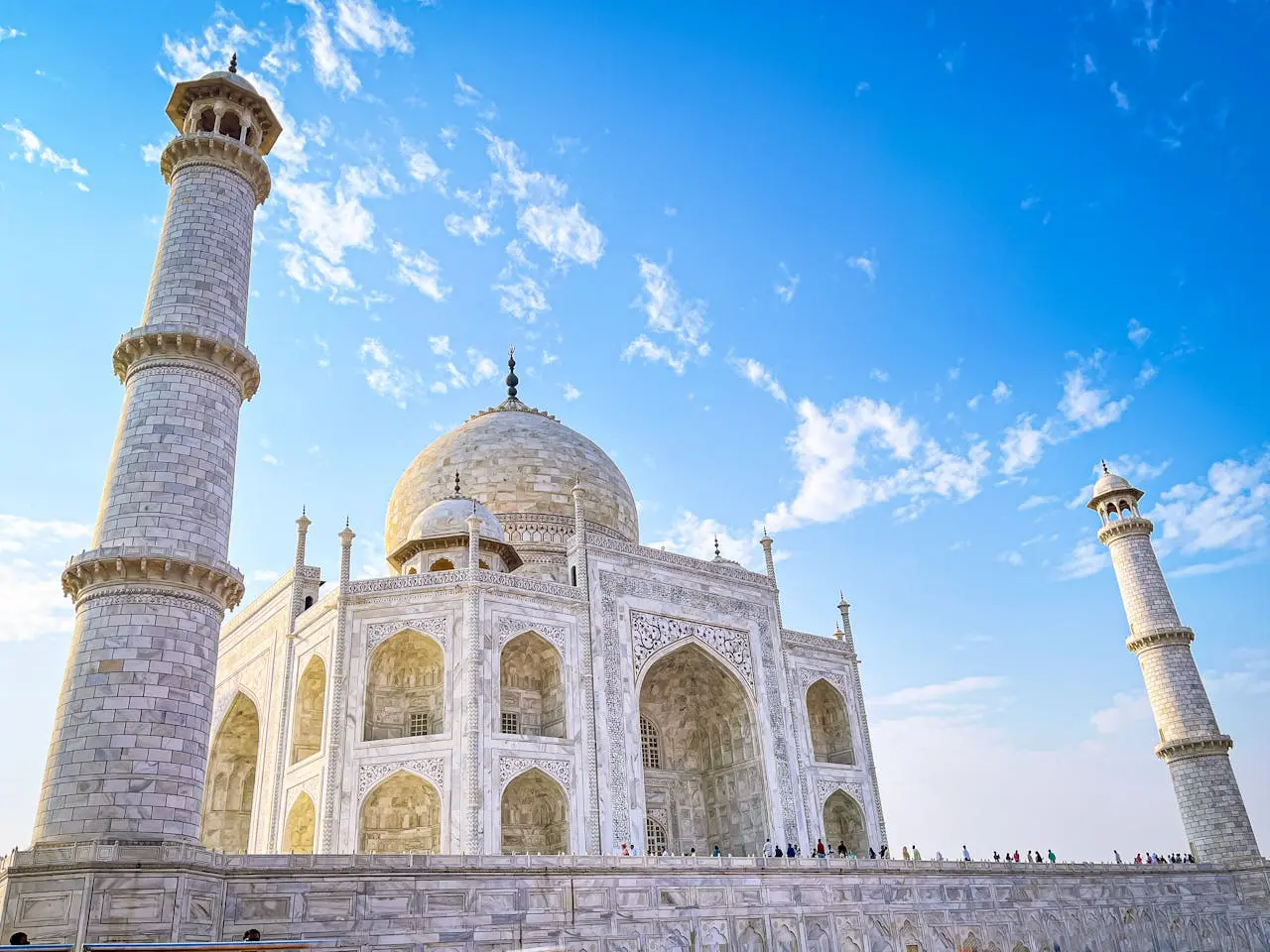
Photography enthusiasts especially appreciate these landmarks because changing weather, lighting conditions, and seasons create dramatically different visual experiences. Sunrise and sunset often provide spectacular views that attract both professional and amateur photographers.
These memorable experiences explain why architectural tourism remains one of the fastest-growing sectors of global travel.
Architectural Styles Found in Famous Buildings
One reason famous buildings remain fascinating is their incredible diversity of architectural styles. Every era introduced new ideas, materials, and construction techniques that influenced design.
Ancient Architecture
Ancient structures focused on durability, religious symbolism, and monumental scale. Massive stone blocks, columns, and symmetrical layouts dominated this period.
Gothic Architecture
Characterized by pointed arches, stained-glass windows, ribbed vaults, and soaring ceilings, Gothic buildings emphasized grandeur and spiritual inspiration.
Renaissance Architecture
Renaissance designers favored proportion, balance, classical columns, domes, and mathematical precision, creating elegant public buildings and churches.
Modern Architecture
Modern buildings prioritize simplicity, functionality, sustainability, glass facades, and innovative structural systems while minimizing decorative elements.
Contemporary Architecture
Today’s buildings often incorporate green technologies, smart automation, energy efficiency, and environmentally friendly materials without sacrificing aesthetics.
These styles demonstrate how architecture continuously evolves while preserving cultural identity.
Engineering Innovations Behind Iconic Structures
Every remarkable building represents countless engineering challenges overcome through creativity and determination. Engineers carefully analyze soil conditions, weather patterns, structural loads, and material properties before construction begins.
Modern skyscrapers withstand earthquakes through flexible foundations and sophisticated damping systems. Wind tunnel testing helps architects design towers that remain stable during powerful storms. Advanced computer modeling allows precise structural calculations, minimizing risks while optimizing efficiency.
Historical structures also showcase astonishing engineering achievements despite lacking modern equipment. Builders relied on geometry, craftsmanship, and practical experience to construct monuments that continue standing hundreds or even thousands of years later.
Innovative engineering remains one of the primary reasons these architectural masterpieces continue attracting admiration from professionals and tourists alike.
Cultural Importance of Famous Buildings
Architecture often becomes a nation’s identity. Famous buildings symbolize historical achievements, political independence, religious devotion, or artistic excellence. They appear on postcards, currency, government publications, tourism campaigns, and international media.
Many countries invest heavily in preserving historic landmarks because they represent collective memory and national pride. Restoration projects ensure these monuments remain structurally sound while maintaining their original appearance.
Schools frequently teach students about these architectural icons because they illustrate important historical events and cultural values. Visitors gain a deeper appreciation for local traditions by exploring these landmarks and learning the stories behind them.
Architecture therefore serves as both a physical structure and a powerful cultural symbol connecting generations.
The Economic Impact of Architectural Tourism
Globally recognized landmarks generate substantial economic benefits for cities and countries. Millions of tourists contribute to local economies by spending money on accommodation, transportation, dining, shopping, guided tours, and entertainment.
The presence of iconic landmarks also creates employment opportunities in hospitality, maintenance, conservation, architecture, and tourism services. Local businesses benefit significantly from consistent visitor traffic throughout the year.
Governments often allocate funding for preservation because maintaining historical buildings supports sustainable tourism and cultural education. Successful restoration projects help protect national heritage while encouraging international travel.
In many destinations, famous architectural attractions have become essential drivers of long-term economic growth.
Protecting Historic Buildings for Future Generations
Many historic landmarks face threats from pollution, climate change, earthquakes, overcrowding, and natural aging. Preservation experts work continuously to protect these structures through scientific restoration techniques and regular maintenance.
Modern conservation combines traditional craftsmanship with advanced technology. Engineers use laser scanning, 3D modeling, structural monitoring systems, and specialized restoration materials to repair damage while preserving authenticity.
International organizations also promote cultural heritage protection by supporting conservation projects, educational programs, and responsible tourism initiatives.
Visitors contribute to preservation by respecting site regulations, avoiding vandalism, and supporting responsible tourism practices. Protecting architectural heritage ensures future generations can continue appreciating humanity’s greatest achievements.
Future Trends in Building Design
Architecture continues evolving rapidly as technology advances. Future buildings will increasingly focus on sustainability, renewable energy, intelligent automation, and environmental responsibility.
Emerging trends include:
- Net-zero energy buildings
- Smart building management systems
- Vertical gardens
- Solar-powered designs
- Recycled construction materials
- Modular construction techniques
- AI-assisted building management
- Carbon-neutral architecture
Although future designs may look dramatically different from today’s landmarks, they will continue reflecting society’s values and technological progress.
Conclusion
The world’s famous buildings represent humanity’s creativity, determination, and cultural diversity. From ancient monuments that have survived thousands of years to modern skyscrapers redefining city skylines, these architectural masterpieces continue inspiring millions of people around the globe. Their historical significance, artistic beauty, and engineering excellence make them far more than tourist attractions—they are symbols of civilization itself. As architecture continues advancing through innovation and sustainability, future generations will undoubtedly create new landmarks worthy of global recognition. At the same time, preserving historic structures remains essential for protecting our shared cultural heritage. Whether admired for their design, history, or symbolic meaning, famous buildings will always remind us of humanity’s remarkable ability to dream, design, and build extraordinary places that stand the test of time.
Read more: House Exterior Design: Complete Guide to Creating a Beautiful and Functional Home