Room Interior Design Ideas for Elegant and Functional Spaces


Introduction
A well-planned room interior design can completely transform the atmosphere of any home. Beyond aesthetics, interior design influences comfort, functionality, and the overall experience of a living space. Whether designing a bedroom, living room, study area, or guest room, choosing the right colors, furniture, lighting, and decorative elements helps create an inviting environment that reflects personal style.
Modern homeowners increasingly prioritize spaces that balance beauty and practicality. Effective room interior design considers room dimensions, lifestyle needs, storage requirements, and visual appeal. From minimalist concepts to luxurious themes, countless design approaches can suit different preferences and budgets. Understanding the fundamentals of interior design enables homeowners to make informed decisions that enhance both appearance and usability.
Understanding the Importance of Room Interior Design

Every room serves a unique purpose, and its design should support that function. A thoughtfully planned room interior design improves organization, maximizes available space, and contributes to emotional well-being. Comfortable and visually appealing surroundings can reduce stress and promote relaxation after a busy day.
Interior design also increases the value of a property. Potential buyers often appreciate homes with coordinated layouts and attractive interiors. Even simple updates, such as repainting walls or rearranging furniture, can significantly improve a room’s appeal.
Designing a room involves more than selecting decorative accessories. It requires considering traffic flow, natural light, furniture placement, and color harmony. Attention to these details creates spaces that are both practical and aesthetically pleasing.
Choosing the Right Color Palette
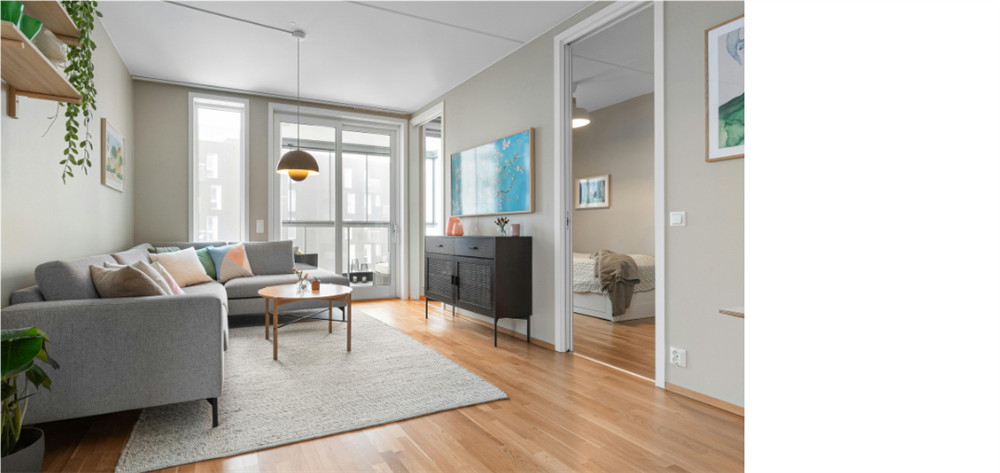
Color selection plays a vital role in successful room interior design. Different shades influence mood and perception of space. Neutral tones such as beige, white, and soft gray create a timeless appearance and make smaller rooms feel more spacious.
Warm colors add energy and coziness, making them suitable for social areas such as family rooms. Cooler shades, including blue and green, promote calmness and work well in bedrooms or study spaces. Accent walls can introduce personality without overwhelming the overall design.
Maintaining consistency throughout the room ensures visual balance. Coordinating wall colors with furnishings, curtains, rugs, and decorative accessories creates a cohesive and inviting environment.
Furniture Selection and Arrangement
Furniture is one of the most important components of room interior design. Selecting pieces that complement the room’s size prevents overcrowding and enhances functionality. Multi-purpose furniture, such as storage ottomans and foldable desks, is particularly valuable in compact spaces.
Arranging furniture thoughtfully improves movement and accessibility. In living areas, seating should encourage conversation while maintaining comfort. Bedrooms benefit from layouts that prioritize relaxation and convenience.
Quality should always take precedence over quantity. Investing in durable furniture ensures longevity and provides better value over time. Well-chosen furnishings contribute significantly to the success of a room’s overall design concept.
Maximizing Space Through Smart Design
Limited square footage presents opportunities for creative solutions. Strategic room interior design techniques can make small spaces appear larger and more efficient. Mirrors reflect light and create the illusion of depth, while vertical storage options utilize unused wall space.
Built-in shelving and customized cabinetry offer practical storage without sacrificing style. Keeping surfaces uncluttered promotes a cleaner and more organized appearance. Choosing furniture with exposed legs can also create a sense of openness.
Open layouts and flexible arrangements accommodate changing needs within a household. By prioritizing functionality, homeowners can maximize the potential of every room regardless of size constraints.
The Role of Lighting in Interior Spaces
Lighting has a profound impact on ambiance and usability. Successful room interior design incorporates multiple layers of lighting to support various activities. Ambient lighting provides overall illumination, task lighting enhances functionality, and accent lighting highlights architectural features or decorative elements.
Natural light should be embraced whenever possible. Large windows, sheer curtains, and reflective surfaces help distribute daylight throughout the room. During evening hours, adjustable lighting fixtures allow occupants to customize brightness levels according to their preferences.
Statement lighting pieces, such as chandeliers or pendant lights, can serve as focal points that elevate the room’s visual appeal while fulfilling practical requirements.
Incorporating Texture and Decorative Elements

Texture adds depth and character to interior spaces. Combining different materials within a room interior design scheme creates visual interest and prevents monotony. Soft fabrics, natural wood finishes, metal accents, and woven accessories contribute to a balanced and sophisticated aesthetic.
Decorative items should reflect individual tastes while maintaining harmony within the space. Artwork, cushions, plants, and area rugs personalize interiors without overwhelming them. Indoor greenery introduces freshness and strengthens the connection between indoor and outdoor environments.
The key is moderation. Carefully selected decorative accents enhance the overall design and support the intended atmosphere of the room.
Creating Personalized and Functional Rooms
Personalization distinguishes exceptional interiors from generic spaces. Effective room interior design integrates the occupants’ preferences, hobbies, and daily routines into the planning process. Displaying meaningful objects or incorporating favorite colors fosters a stronger emotional connection to the environment.
Functionality remains equally important. Home offices require ergonomic considerations, while children’s rooms should adapt to evolving developmental needs. Flexible design solutions accommodate lifestyle changes and future requirements.
Balancing individuality with practicality results in spaces that are enjoyable to inhabit and capable of supporting everyday activities efficiently.
Maintaining Timeless Appeal
Design trends evolve continuously, yet timeless interiors retain their relevance for years. Choosing classic furniture silhouettes, neutral foundations, and high-quality materials contributes to enduring room interior design. Trend-driven elements can be introduced through easily replaceable accessories rather than permanent installations.
Regular maintenance preserves the appearance and functionality of interior spaces. Updating textiles, repainting walls, and reorganizing layouts periodically refreshes the room without extensive renovations. Thoughtful planning ensures that design investments continue to provide satisfaction long after completion.
Homeowners who prioritize versatility can adapt their interiors to changing preferences while maintaining a cohesive aesthetic identity.
Conclusion
Thoughtful room interior design has the power to transform ordinary spaces into environments that inspire comfort, productivity, and happiness. By considering factors such as color selection, furniture arrangement, lighting, storage solutions, and personal preferences, homeowners can create rooms that meet both practical and aesthetic goals.
Whether undertaking a complete renovation or implementing minor updates, strategic design decisions contribute to lasting improvements in quality of life. A balanced approach that combines functionality with creativity ensures that every room remains welcoming and visually appealing. Investing time and effort into interior planning ultimately results in spaces that reflect individual lifestyles while supporting everyday needs with elegance and efficiency.