Introduction
Wine lovers know that proper storage is the key to preserving the flavor, aroma, and overall quality of their favorite bottles. A wine fridge is more than just a luxury appliance—it’s a necessity for anyone serious about wine. Whether you are a casual enthusiast or a collector with an extensive collection, understanding how to choose, use, and maintain a wine fridge is crucial. In this guide, we’ll explore everything you need to know about a wine fridge, from types and features to benefits, placement, and care tips.
Why You Need a Wine Fridge
Wine is sensitive to temperature, humidity, and light. Storing wine in a regular refrigerator or on a kitchen shelf can compromise its taste over time. This is where a wine fridge becomes essential.
Temperature Control
The primary reason to invest in a wine fridge is precise temperature control. Wine, especially red and white varieties, requires different temperatures for optimal storage. A wine fridge allows you to set the ideal range, typically between 45°F and 65°F, depending on the type of wine.
Protects Flavor and Aroma
Wine exposed to fluctuating temperatures or improper storage conditions can oxidize or spoil. A wine fridge ensures your bottles maintain their intended flavor, aroma, and character, allowing you to enjoy wine exactly as the winemaker intended.
Humidity Control
Cork drying is a major concern for wine preservation. If the cork dries out, air enters the bottle, leading to oxidation. Many wine fridges come with humidity control, keeping the corks moist and your wine safe for years.
Convenience and Accessibility
A wine fridge keeps your collection organized and easily accessible. Instead of digging through a cabinet or closet, you can store bottles in a way that’s visible, neat, and ready to serve.
Types of Wine Fridges
When shopping for a wine fridge, you’ll notice several types on the market. Choosing the right one depends on your collection size, space availability, and budget.
Single-Zone Wine Fridge
A single-zone wine fridge maintains one temperature throughout the unit. This type is perfect for storing similar types of wine, such as only red or only white wines. It’s compact, energy-efficient, and ideal for beginners.
Dual-Zone Wine Fridge
Dual-zone wine fridges offer two separate compartments with independent temperature controls. This is ideal if you want to store red and white wines in one fridge. The flexibility allows you to maintain the perfect serving temperature for each wine type.
Built-In Wine Fridge
A built-in wine fridge is designed to integrate seamlessly into your kitchen cabinetry or bar area. They often have a front-venting system, making them perfect for tight spaces without compromising functionality.
Freestanding Wine Fridge
Freestanding wine fridges are versatile and can be placed anywhere with access to a power outlet. They are generally easier to move, making them ideal for renters or those who like to rearrange their spaces frequently.
Thermoelectric vs. Compressor Models
Wine fridges can operate using either thermoelectric or compressor cooling:
-
Thermoelectric: Uses vibration-free cooling, perfect for smaller collections. They are quieter but less effective in very warm rooms.
-
Compressor: Similar to a traditional fridge, compressors handle larger collections and maintain stable temperatures even in warm environments, but they can produce slight vibrations.
How to Choose the Right Wine Fridge
Selecting a wine fridge can seem overwhelming, but focusing on a few key factors can simplify your decision:
Capacity
Consider how many bottles you currently own and whether your collection will grow. Wine fridges are measured by the number of standard 750ml bottles they can hold. Compact models hold 12–20 bottles, medium models 30–50 bottles, and large models 100+ bottles.
Temperature Zones
Decide whether you need a single-zone or dual-zone fridge based on your wine preferences. If your collection is diverse, dual-zone provides flexibility.
Size and Placement
Measure the space where you plan to place the wine fridge. Built-in models need proper ventilation, while freestanding units can be positioned in a variety of spots.
Shelving
Look for adjustable shelves that accommodate both standard and oversized bottles. Wooden or metal shelves can affect both aesthetics and vibration absorption.
Energy Efficiency
Check the energy rating. Wine fridges run continuously, so an energy-efficient model can save money over time.
Noise Levels
Thermoelectric models are quieter than compressor units. If your wine fridge will be in a living or dining area, consider noise output.
Additional Features
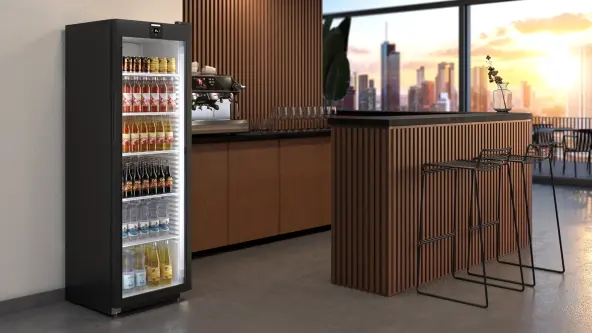
Modern wine fridges may include UV-protected glass doors, touchscreen controls, interior lighting, alarms, and smart connectivity to monitor temperature remotely.
Benefits of Owning a Wine Fridge
Investing in a wine fridge comes with multiple advantages:
Prolongs Wine Life
Proper storage prevents premature aging, ensuring your wines remain enjoyable for years.
Enhances Taste and Quality
Serving wine at the right temperature and storing it in optimal conditions maintains the flavor and aroma, elevating every tasting experience.
Organization and Display
A wine fridge allows you to neatly organize bottles by type, region, or vintage. Many units feature stylish designs that make them a centerpiece in your kitchen or bar area.
Convenience
Having a wine fridge ensures your wine is always ready to serve. You no longer need to chill red wine in the fridge or hope white wine is at the correct temperature.
Prevents Spoilage
Cork drying, temperature fluctuations, and vibration can all spoil wine. A wine fridge mitigates these risks, preserving your investment.
Placement and Installation Tips
Proper placement is crucial to getting the best performance from your wine fridge:
-
Avoid Direct Sunlight: UV rays can damage wine, so position the fridge away from windows.
-
Stable Surface: Place the fridge on a level surface to prevent vibrations that disturb sediments.
-
Ventilation: Built-in units require front ventilation; freestanding models need space around them for air circulation.
-
Temperature Control: Avoid placing the fridge near heat sources like ovens, radiators, or heaters.
Wine Fridge Maintenance
Maintaining your wine fridge is simple but essential:
Cleaning
Regularly wipe down shelves, the interior, and the door seals. Use a soft cloth and mild detergent to prevent mold or odors.
Temperature Checks
Periodically verify that the fridge maintains the correct temperature range for your wine types.
Door Seals
Check door gaskets for wear or gaps. A poor seal can let warm air in and reduce efficiency.
Defrosting
Some compressor models may require occasional defrosting. Follow the manufacturer’s instructions to prevent damage.
Vibration Control
Minimize vibrations by keeping the fridge on a flat surface and using racks or padding designed to absorb movement.
Storing Wine in a Wine Fridge
Proper storage is more than just temperature control:
-
Red Wine: Store at 55°F–65°F. Ideal serving temperature is slightly higher.
-
White Wine: Store at 45°F–55°F to maintain crispness.
-
Sparkling Wine: Keep at 40°F–50°F. Carbonation is best preserved at cooler temperatures.
-
Bottle Position: Store bottles horizontally to keep corks moist.
Additionally, avoid overcrowding the fridge to allow proper airflow around bottles.
Common Myths About Wine Fridges
Myth 1: Wine Fridges Are Only for Expensive Wine
Even modest collections benefit from proper storage. A wine fridge protects every bottle, regardless of price.
Myth 2: A Regular Fridge Works Fine
Household refrigerators are too cold, dry, and subject to vibration, which can damage wine over time.
Myth 3: Wine Improves Faster in a Warm Place
Wine ages best at stable, cool temperatures, not heat. A wine fridge provides this controlled environment.
Innovations in Wine Fridges
The wine fridge industry is evolving with advanced technology:
-
Smart Wine Fridges: Wi-Fi-enabled units allow temperature monitoring and alerts on your smartphone.
-
Energy-Efficient Models: Modern compressors and insulation reduce electricity use.
-
UV-Protected Glass Doors: Protects wine from light degradation while showcasing your collection.
-
Humidity and Vibration Sensors: Keeps corks intact and minimizes sediment disturbance for premium wines.
Tips for Maximizing Your Wine Fridge Investment
-
Plan for Growth: Buy a fridge slightly larger than your current collection.
-
Label Bottles: Use tags or markers for easy identification.
-
Avoid Frequent Opening: Temperature fluctuates every time the door opens, affecting wine quality.
-
Separate Red and White Wines: If using a single-zone fridge, maintain optimal middle-range temperatures for both.
-
Monitor Energy Use: Choose an energy-efficient model for continuous operation without high bills.
Conclusion
A wine fridge is an essential tool for wine enthusiasts, collectors, and anyone who appreciates the perfect pour. From maintaining ideal temperatures and humidity levels to protecting flavors and aromas, a wine fridge ensures that every bottle in your collection reaches its full potential. Whether you choose a single-zone, dual-zone, built-in, or freestanding model, investing in a quality wine fridge enhances your enjoyment and preserves the value of your collection. Proper placement, regular maintenance, and careful organization maximize the benefits, turning your wine fridge into more than just an appliance—it becomes the heart of your wine experience.
Read More:- Smeg Fridge: Stylish, Innovative, and Energy-Efficient Refrigerators