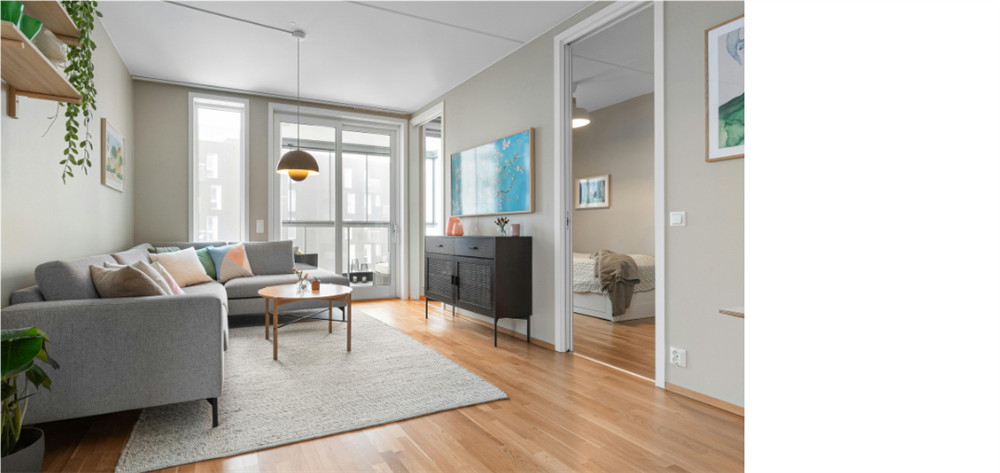
Studio Apartment: The Complete Guide to Comfortable and Stylish Small-Space Living

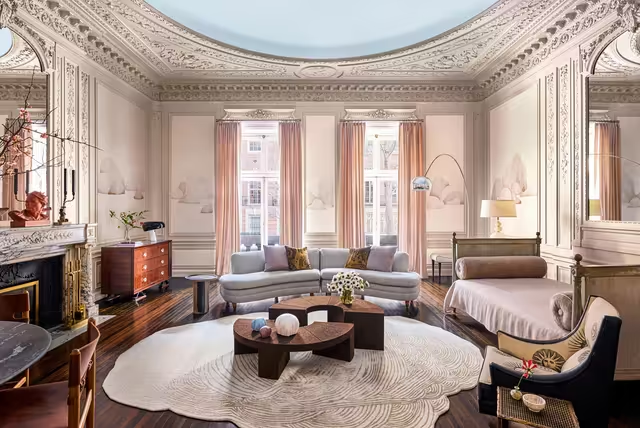
Living in a studio apartment has become increasingly popular among students, young professionals, digital nomads, and even retirees seeking a simpler lifestyle. With urban housing costs continuing to rise, many people appreciate the affordability and convenience of compact living spaces. While a studio may have limited square footage, thoughtful planning and creative design can transform it into a beautiful, functional home.
A well-designed studio combines the living room, bedroom, kitchen, and dining area into one open space while often keeping the bathroom separate. This layout encourages efficient use of every inch without sacrificing comfort. Whether you are renting your first home or purchasing a compact residence, understanding how to maximize space makes a significant difference. This guide explores everything from layout planning and furniture selection to decorating ideas and storage solutions that help create an inviting home.
What Is a Studio Apartment?
A studio apartment is a self-contained living space where the bedroom, living room, and kitchen share one open area. Unlike one-bedroom apartments, there are no permanent walls separating these spaces. The bathroom remains enclosed, while everything else flows together in a single room.

Studio apartments are especially common in large cities where housing demand is high. They appeal to people who prefer lower rent, reduced maintenance, and simplified living. Although compact, they can feel surprisingly spacious when designed with smart layouts and multifunctional furniture.
Modern studio apartments often feature large windows, high ceilings, open kitchens, and contemporary finishes that make the interiors appear brighter and larger than their actual size.
Why Studio Apartments Are Becoming More Popular
The popularity of compact homes continues to grow for several reasons. Rising property prices and changing lifestyles encourage people to prioritize convenience over excess space. Many individuals spend more time outside their homes at work, school, or social activities, making a smaller residence practical and cost-effective.
A smaller home also requires less cleaning, fewer furnishings, and reduced utility expenses. Minimalist lifestyles have further increased interest in compact living because people are choosing experiences over material possessions.
Many developers now design modern studio communities with shared amenities such as fitness centers, coworking spaces, rooftop gardens, and recreational lounges, allowing residents to enjoy additional facilities without paying for larger private homes.
Key Features of a Studio Apartment
Although layouts vary, most studios include several common features that maximize functionality.
- Open-concept living area
- Compact kitchen
- Separate bathroom
- Flexible furniture arrangements
- Efficient storage opportunities
- Lower maintenance costs
- Affordable rental or purchase options
- Modern layouts with natural lighting
These features make studio apartments suitable for individuals who value convenience and efficient living.
Advantages and Challenges of Studio Living
| Feature | Advantages | Challenges |
|---|---|---|
| Space | Easy to maintain | Limited storage |
| Cost | Lower rent and utilities | Smaller living area |
| Furniture | Minimal furnishings needed | Requires multifunctional pieces |
| Cleaning | Faster and easier | Organization is essential |
| Lifestyle | Encourages simplicity | Less privacy for guests |
| Design | Open and flexible layout | Decorating requires careful planning |
How to Design a Functional Layout
Designing an effective layout begins with identifying different functional zones. Even without walls, each section should have its own purpose. A sofa can separate the living area from the sleeping area, while a bookshelf or decorative screen creates visual division without closing the space.
Keeping walkways clear prevents the apartment from feeling crowded. Large furniture should be placed against walls whenever possible, allowing the center of the room to remain open.

Many homeowners use rugs to define individual areas. One rug beneath the sofa creates a living room, while another beneath the bed establishes a sleeping zone. This simple design technique creates organization while maintaining an open atmosphere.
Lighting also contributes to layout effectiveness. Combining ceiling lights, floor lamps, and table lamps allows each zone to have its own comfortable ambiance.
Choosing Furniture for Small Spaces
Furniture selection is one of the most important decisions in a studio. Every piece should serve multiple purposes whenever possible.
Popular multifunctional furniture includes:
- Sofa beds
- Foldable dining tables
- Storage ottomans
- Murphy beds
- Expandable desks
- Nesting tables
- Storage benches
- Floating shelves
These versatile pieces maximize available space while reducing clutter. Choosing furniture with exposed legs also creates a lighter visual appearance, making rooms seem larger.
Neutral-colored furniture reflects more light, helping small interiors appear open and airy. Avoid oversized sofas or bulky cabinets that overwhelm the room.
Storage Ideas That Maximize Every Inch
Storage becomes essential in compact homes. Instead of relying only on closets, residents should utilize vertical space throughout the apartment.
Wall-mounted shelves provide room for books, plants, and decorative items. Beds with built-in drawers offer hidden storage for seasonal clothing and bedding. Cabinets extending to the ceiling take advantage of otherwise unused space.
Hooks installed behind doors can hold bags, jackets, and accessories without consuming valuable floor space. Kitchen organizers, drawer dividers, and stackable containers also improve efficiency.
Decluttering regularly ensures belongings remain organized and prevents the apartment from feeling crowded. A simple storage strategy often creates the impression of having significantly more space.
Decorating Without Making the Space Feel Smaller
Decorating a compact home requires balance. Too many decorations can overwhelm the room, while too few may make it feel plain.
Light-colored walls reflect natural sunlight and visually enlarge interiors. White, beige, soft gray, and pale blue remain popular choices for small apartments.
Mirrors are another effective design element. A large mirror opposite a window reflects light throughout the room, making the interior appear brighter and more spacious.
Indoor plants add freshness without requiring extensive space. Small potted plants, hanging baskets, or vertical gardens introduce natural beauty while improving the atmosphere.
Limiting decorative accessories to carefully selected pieces creates a clean, elegant appearance.
Creating Separate Living Zones
Although a studio is one open room, it should still provide distinct functional areas. Visual separation creates comfort and organization.
Common zoning techniques include:
- Area rugs
- Open shelving units
- Curtains
- Folding partitions
- Tall indoor plants
- Decorative screens
- Different lighting styles
These elements establish boundaries without sacrificing openness. They also make entertaining guests more comfortable by distinguishing sleeping areas from social spaces.
Proper zoning contributes to better organization, easier cleaning, and a more relaxing living environment.
Budget-Friendly Ways to Improve Your Apartment
Improving a home does not require a large budget. Small changes often create impressive results.
Repainting walls instantly refreshes the interior. Replacing cabinet handles modernizes kitchens and storage units at minimal cost. Peel-and-stick wallpaper adds personality without permanent modifications.
New curtains, cushions, and rugs introduce color while remaining affordable. LED lighting improves both energy efficiency and ambiance.
Rearranging furniture can also dramatically enhance functionality without spending any money. Sometimes simply changing the layout creates a more open and comfortable environment.
Budget-conscious decorating focuses on thoughtful improvements rather than expensive renovations.
Common Mistakes to Avoid
Many people unintentionally make small apartments feel even smaller through poor design decisions.
Common mistakes include:
- Buying oversized furniture
- Blocking natural light
- Using too many decorative items
- Ignoring vertical storage
- Leaving clutter visible
- Choosing dark wall colors throughout
- Overcrowding shelves
- Forgetting functional organization
Avoiding these mistakes creates a cleaner, brighter, and more enjoyable home while improving everyday convenience.
Is a Studio Apartment Right for You?
Choosing a studio apartment depends on your lifestyle, budget, and personal preferences. Individuals living alone often find studios comfortable and economical. Students appreciate lower rental costs, while professionals enjoy convenient city locations near work.
People who embrace minimalism usually adapt quickly because compact living encourages thoughtful purchasing decisions and organized storage habits.
However, individuals requiring dedicated office space or frequent entertaining may prefer larger accommodations. Couples can also enjoy studio living when the layout is carefully planned and storage solutions are well organized.
Evaluating your daily routine and future needs helps determine whether this housing option matches your lifestyle.
Conclusion
A studio apartment proves that comfortable living is not determined by size but by thoughtful design and efficient organization. With the right layout, multifunctional furniture, smart storage, and balanced decoration, even a compact space can feel spacious, welcoming, and highly functional. Modern lifestyles increasingly favor simplicity, affordability, and flexibility, making studio apartments an attractive choice for people of all ages. By maximizing every square foot and minimizing unnecessary clutter, residents can enjoy a stylish home that supports both productivity and relaxation.
Read more: Luxury Apartments: The Complete Guide to Premium Living