Power Washing in Highland Park, IL: When Your Property Needs a Deep Clean

A property can look clean from a distance while exterior surfaces quietly accumulate dirt, algae, pollen, and other contaminants. In Highland Park, changing weather conditions and moisture exposure can contribute to buildup on concrete, siding, patios, decks, fences, and other outdoor areas. Periodic deep cleaning keeps these surfaces looking maintained and makes exterior upkeep easier.
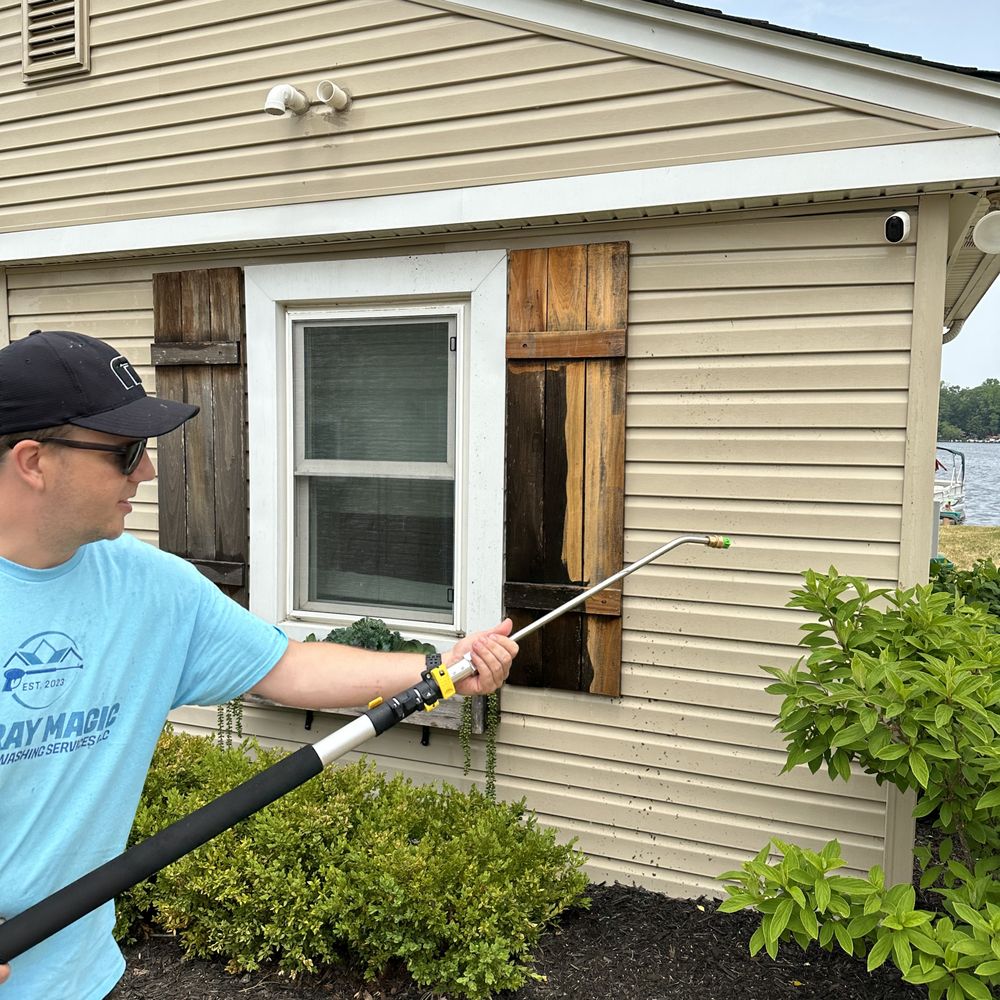
For many homeowners, power washing in Highland Park, IL offers an efficient solution for removing stubborn surface contamination. Pressurized water reaches areas that are difficult to clean with a hose or household tools. The key is using an appropriate technique for each material rather than treating every surface the same way.
Signs Your Exterior Needs Cleaning
Visible discoloration is one of the easiest signs to recognize. Dark streaks, greenish growth, muddy patches, and embedded dirt often indicate that a surface needs more than basic rinsing.
Other signs include:
- Slippery areas on walkways or patios.
- Stains around entrances and high-traffic areas.
- Dirt accumulation along siding.
- Discoloration beneath gutters or downspouts.
- Faded-looking outdoor living spaces.
- Grime embedded in concrete pores.
These issues do not always indicate structural damage, but they deserve attention before buildup becomes harder to remove.
Cleaning Different Surfaces Requires Different Techniques
Concrete is generally durable, but improper pressure can still damage its surface or expose aggregate. Wood requires more careful treatment because excessive pressure can scar the grain or strip protective finishes.
Vinyl siding and painted surfaces also need controlled cleaning. Directing excessive pressure into seams or openings can force water where it does not belong.
For surfaces affected by algae, mildew, or other organic growth, soft washing may be more appropriate than high-pressure cleaning. Soft washing uses lower pressure with cleaning solutions designed to break down organic buildup while reducing the risk of damage to delicate surfaces.
The appropriate method depends on the material, age, condition, and type of contamination. Professional assessment helps determine the correct pressure, nozzle selection, distance, and cleaning technique.
Why Gutters and Downspouts Matter
Exterior cleaning should also consider drainage patterns. Dirty areas below downspouts often develop because water repeatedly carries soil and organic material onto nearby surfaces.
If a walkway or wall repeatedly becomes stained in the same location, inspect the drainage system as part of the maintenance process. Cleaning the surface without addressing recurring water flow can result in the same staining returning.
Keeping gutters and downspouts clear also helps direct rainwater away from areas where moisture can contribute to organic growth. Roof washing may also be appropriate when roof surfaces develop algae, moss, or other organic buildup, but the cleaning method should be selected according to the roofing material and its condition.
Power Washing and Curb Appeal
Exterior appearance influences how a property feels before anyone enters the home. Clean walkways, siding, patios, and driveways create a more orderly appearance and highlight the condition of the property.
This is particularly useful before hosting guests, listing a home for sale, or completing other exterior improvements. Cleaning before painting, sealing, or staining can also help prepare compatible surfaces, provided the material is allowed to dry properly and the coating manufacturer’s requirements are followed.
It is also important to distinguish between surface stains and stains that have penetrated the material. Surface contamination may often be removed through appropriate cleaning, while deeper discoloration may remain even after washing and may require additional treatment or restoration.
How Often Should You Clean?
There is no universal schedule. A shaded property surrounded by trees may require more frequent cleaning than a sunny property with limited vegetation.
As a general baseline, many exterior surfaces can be inspected and considered for cleaning about once a year, with additional attention after periods of heavy moisture, storms, or visible buildup. Instead of relying solely on a calendar, inspect surfaces regularly. When buildup becomes visible or outdoor areas become difficult to maintain with ordinary cleaning, professional washing may be appropriate.
Conclusion
Exterior surfaces in Highland Park face constant exposure to weather, moisture, traffic, and airborne debris. A properly planned cleaning process removes accumulated grime while protecting the material underneath. If your property shows persistent staining or organic buildup, have the affected surfaces evaluated and choose a cleaning method suited to their condition.