Professional Pest Control in Cleveland, MS: Protecting Your Home From Common Pests

Household pests create more than an inconvenience. Insects and rodents can contaminate food, damage building materials, spread bacteria, and interfere with everyday comfort. Homes in Cleveland, Mississippi, can experience different pest problems throughout the year because changing temperatures, moisture, and outdoor conditions influence pest activity. Ants, termites, mosquitoes, cockroaches, spiders, and rodents often enter properties while searching for food, water, or shelter.
Choosing professional pest control in Cleveland, MS helps homeowners identify pest activity, understand how infestations develop, and implement appropriate treatment strategies. Instead of relying on temporary solutions, a structured pest management approach addresses existing problems and reduces conditions that attract unwanted insects and rodents.
Common Household Pests in Cleveland, MS
Different pests require different identification and treatment methods. Understanding their behavior helps homeowners recognize problems before they become difficult to manage.
Termites
Termites feed on cellulose-containing materials, including wood and certain paper products. Subterranean termites commonly enter structures through soil-connected pathways and can damage wooden building components without immediately becoming visible.
Warning signs include mud tubes, discarded wings, damaged wood, and hollow-sounding structural components. Professional inspections help identify termite activity and determine appropriate treatment options. Homeowners may also benefit from a termite bond or service agreement that provides ongoing protection and monitoring. For property sales, a wood-destroying insect report is also an important consideration because it documents evidence of wood-destroying insect activity and related findings.
Ants
Ants frequently enter kitchens, bathrooms, and other areas where food or moisture is available. Some species establish nests outdoors, while others nest inside wall voids and concealed structural spaces.
Wiping away visible ants without locating the source often provides only temporary relief. Effective management involves identifying the species, locating nesting areas, and removing conditions that support their activity.
Cockroaches
Cockroaches prefer warm, sheltered locations with access to food and water. Kitchens, bathrooms, cabinets, and appliance spaces provide suitable hiding areas.
Their presence can create sanitation concerns because they can contaminate food-contact surfaces. Regular cleaning helps, but established infestations often require targeted professional treatment.
Rodents
Mice and rats can enter buildings through small openings around foundations, utility penetrations, doors, and other structural gaps.
They can damage insulation and wiring, contaminate stored food, and leave droppings in concealed areas. Effective control involves identifying entry points, managing food sources, and using appropriate trapping or exclusion methods.
Why Pest Infestations Develop
Pests enter residential properties for three primary reasons: food, water, and shelter.
Uncovered food containers, overflowing trash, leaking pipes, and accumulated clutter create favorable conditions. Outdoor landscaping can also influence pest activity when vegetation, mulch, or stored materials remain close to exterior walls.
Common conditions that attract pests include:
- Standing water around the property.
- Unsealed food containers.
- Cracks around doors and windows.
- Damaged screens and weatherstripping.
- Leaking plumbing connections.
- Uncovered garbage containers.
- Excessive moisture in crawl spaces.
Addressing these conditions makes your property less attractive to unwanted insects and rodents.
How Professional Pest Inspections Work
A thorough inspection is an important first step toward effective pest management. Different pests leave different signs, so identifying the specific problem helps determine the appropriate response.
A technician generally examines areas where pests are commonly active, including kitchens, bathrooms, basements, crawl spaces, garages, and exterior foundations. Crawl spaces should receive particular attention because excessive moisture can create favorable conditions for termite activity.
The inspection may involve:
- Identifying visible insects, droppings, or damage.
- Examining possible entry points.
- Checking moisture-prone areas.
- Looking for nesting or breeding locations.
- Determining the extent of the infestation.
- Recommending suitable treatment and prevention measures.
Accurate identification prevents unnecessary treatments and helps establish a more effective control strategy.
Understanding Integrated Pest Management
Integrated Pest Management (IPM) combines inspection, prevention, monitoring, and targeted treatment to manage pest populations.
Rather than depending entirely on pesticides, IPM addresses the environmental conditions that allow pests to survive and reproduce.
Its main components include:
Inspection: Identifying the pest species, activity areas, and conditions contributing to the infestation.
Prevention: Sealing entry points, reducing moisture, improving sanitation, and managing outdoor conditions.
Monitoring: Checking treated areas to evaluate pest activity and identify recurring problems.
Targeted treatment: Using appropriate control methods when monitoring indicates that intervention is necessary.
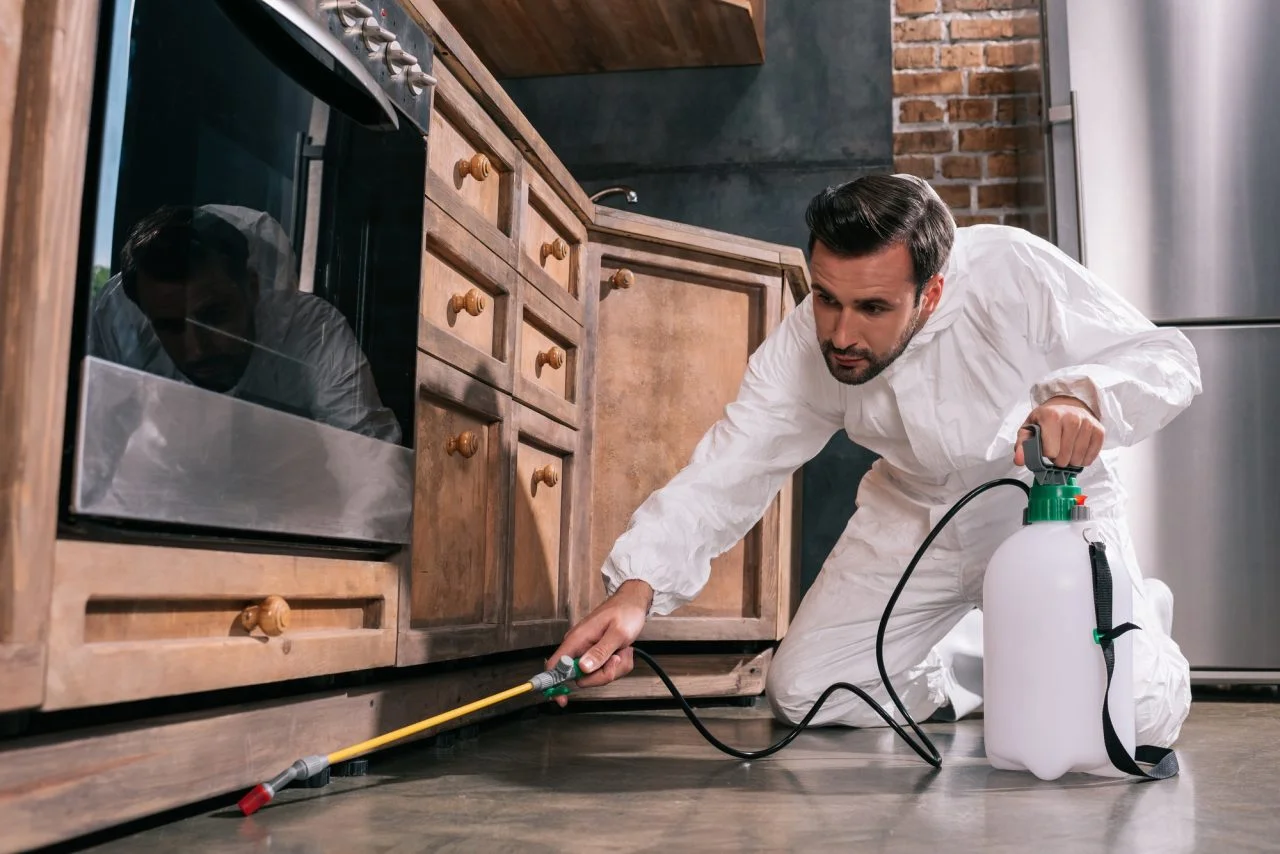
For termite control, treatment options may include liquid termiticide barriers applied around or beneath the structure and termite bait systems designed to attract and eliminate termite colonies. The appropriate method depends on the property, termite activity, and professional assessment.
This approach focuses on managing pest activity while minimizing unnecessary pesticide exposure.
Practical Pest Prevention Tips for Homeowners
Regular property maintenance helps reduce the likelihood of recurring infestations.
Keep kitchens clean, store food in sealed containers, and empty garbage regularly. Repair plumbing leaks and eliminate standing water around the property.
Inspect exterior doors, windows, foundation openings, and utility penetrations for gaps. Seal suitable openings with appropriate materials and maintain intact window screens.
Trim vegetation away from exterior walls and avoid storing firewood directly against the house. Keep gutters clean so rainwater drains properly.
These habits support professional treatments and help maintain a less pest-friendly environment.
When Should You Schedule Pest Control?
Do not wait until pests become widespread before seeking assistance. Repeated sightings, unusual insect activity, unexplained property damage, and persistent rodent noises indicate that further investigation is necessary.
Regular inspections are also useful for identifying potential termite activity and other problems that remain hidden during everyday household activities. For termite prevention, homeowners should consider an annual inspection to identify developing activity or conditions that could increase risk.
Treatment frequency should depend on the pest species, property conditions, infestation severity, and professional recommendations.
Conclusion
Protecting your home from pests requires more than eliminating insects that are already visible. Proper identification, targeted treatment, moisture management, and preventive maintenance all contribute to long-term pest management.
Arrange professional pest control in Cleveland, MS to identify existing pest problems and develop an appropriate prevention strategy. Schedule an inspection and take practical steps toward maintaining a cleaner, healthier, and better-protected home.