Exterior Wall Paint Colours Chart: A Complete Guide to Choosing the Perfect Home Exterior

The appearance of your home’s exterior creates the very first impression. Whether you’re building a new house or renovating an old one, selecting the right paint color can dramatically enhance curb appeal and increase property value. An exterior wall paint colours chart serves as a valuable guide for homeowners, architects, and designers who want to explore various shades before making a final decision.
With countless color combinations available, choosing the perfect exterior paint can feel overwhelming. Factors like climate, architectural style, surrounding landscape, and personal taste all influence the ideal choice. Fortunately, using an exterior wall paint colours chart simplifies the process by displaying colors in an organized format, making comparisons much easier.
This comprehensive guide explains how to use paint colour charts, explores popular exterior shades, discusses color psychology, and provides practical tips to help you select the perfect palette for your dream home.
Why an Exterior Wall Paint Colours Chart Is Important
An exterior wall paint colours chart is much more than a simple list of colors. It provides a visual reference that helps homeowners understand how different shades complement each other. Instead of relying solely on imagination, you can compare tones side by side and identify combinations that best suit your home’s architecture.
Color charts typically include neutral tones, earthy shades, pastel colors, bold accents, and modern finishes. Many also categorize colors according to warm, cool, and neutral families, making selection easier.
Using a paint chart reduces the chances of choosing a color that appears different once applied to a large wall. Since outdoor lighting changes throughout the day, viewing multiple shades together offers better perspective before purchasing paint.
Additionally, paint charts help coordinate wall colors with roof tiles, windows, doors, fences, and landscaping to create a harmonious overall appearance.
Understanding Different Color Families
Choosing the right exterior color begins with understanding different color categories. Every shade creates a different mood and complements certain architectural styles.
Neutral Colors
Neutral shades remain the most popular option because they never go out of style. Common neutral colors include:
- White
- Cream
- Beige
- Light Gray
- Charcoal
- Soft Brown
These colors work well with almost every roof style and landscape while providing timeless elegance.
Warm Colors
Warm colors create an inviting and energetic atmosphere.
Examples include:
- Terracotta
- Peach
- Mustard
- Sandstone
- Warm Beige
- Brick Red
These shades perform especially well in colder climates by adding warmth to the home’s appearance.
Cool Colors
Cool colors provide a fresh, calm, and modern look.
Popular choices include:
- Sky Blue
- Sage Green
- Mint
- Slate Blue
- Cool Gray
- Sea Green
These colors often reflect sunlight better, making them suitable for warmer regions.
Popular Exterior Wall Paint Colours Chart
The following table highlights some of today’s most popular exterior paint colors and their ideal applications.
| Color | Style | Best For | Overall Appearance |
|---|---|---|---|
| Pure White | Classic | Modern & Traditional Homes | Bright and Elegant |
| Beige | Timeless | Family Homes | Warm and Welcoming |
| Light Gray | Contemporary | Urban Houses | Clean and Sophisticated |
| Charcoal Gray | Modern | Luxury Homes | Bold and Premium |
| Olive Green | Natural | Country Homes | Earthy and Relaxing |
| Sky Blue | Coastal | Villas | Fresh and Airy |
| Terracotta | Mediterranean | Rustic Homes | Rich and Warm |
| Cream | Universal | Any Style | Soft and Elegant |
This exterior wall paint colours chart offers an excellent starting point for comparing shades before making your final decision.
How to Choose the Right Exterior Paint Color
Selecting exterior paint involves much more than picking your favorite shade. Several practical considerations should influence your decision.
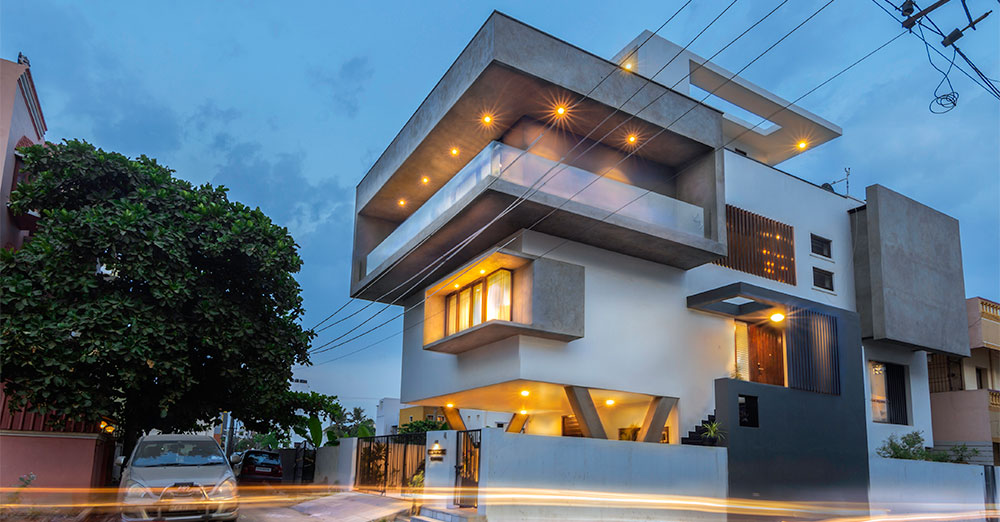
First, observe your home’s architectural style. Traditional homes often look best with neutral or earthy tones, while contemporary designs pair beautifully with monochromatic palettes.
Next, evaluate your neighborhood. While your home should reflect your personality, choosing colors that blend harmoniously with nearby houses creates better visual appeal.
Climate also plays a major role. Light colors reflect heat, making them ideal for warmer regions. Dark shades absorb sunlight and may fade faster in intense heat but add dramatic elegance in cooler climates.
Finally, always test sample paints on a small section of the exterior wall. Observe them during morning, afternoon, and evening light before making your final selection.
Best Color Combinations for Home Exteriors
Many homeowners prefer combining two or three colors rather than painting the entire house one shade. A thoughtfully designed exterior wall paint colours chart often includes recommended color combinations.
Popular combinations include:
- White walls with charcoal trims
- Beige walls with dark brown accents
- Cream walls with olive green doors
- Gray walls with white windows
- Sandstone walls with terracotta roofing
- Light blue walls with white borders
- Soft green walls with stone-gray accents
These combinations create visual depth while highlighting architectural features such as columns, balconies, and window frames.
Trending Exterior Paint Colors in Recent Years
Home exterior trends continue evolving as homeowners seek both style and durability.
Minimalist designs have increased the popularity of gray, white, and black combinations. Earth-inspired palettes featuring olive green, taupe, and warm beige remain favorites among homeowners seeking natural aesthetics.
Soft pastel colors are becoming increasingly popular for suburban neighborhoods because they create cheerful yet sophisticated appearances.
Dark exteriors, especially charcoal and deep navy blue, are gaining popularity among luxury homes. When paired with white trim and wooden accents, these colors deliver a striking modern appearance.
Many homeowners now consult an exterior wall paint colours chart before finalizing these trendy combinations to ensure balanced color harmony.
Factors That Affect Paint Appearance
Paint rarely looks identical on a wall compared to a catalog sample. Several environmental factors influence the final appearance.
Lighting
Natural sunlight changes throughout the day, affecting color perception. Morning light often makes colors appear cooler, while evening sunlight introduces warmer tones.
Surface Texture
Smooth walls reflect more light, making colors appear brighter. Rough textures absorb light, causing colors to look slightly darker.
Surroundings
Nearby trees, gardens, neighboring buildings, and landscaping all influence how paint colors are perceived.
Paint Finish
Matte, satin, and gloss finishes each affect how light reflects from the surface, subtly changing the overall appearance.
Considering these factors ensures your selected shade performs as expected once applied.
Common Mistakes to Avoid
Choosing exterior paint without proper planning can lead to disappointing results.
Avoid these common mistakes:
- Selecting colors without testing samples.
- Ignoring your roof and landscaping colors.
- Choosing overly trendy colors without considering long-term appeal.
- Using too many contrasting shades.
- Forgetting about maintenance requirements.
- Selecting very dark colors for extremely hot climates.
- Overlooking paint quality and weather resistance.
An organized exterior wall paint colours chart helps minimize these mistakes by presenting coordinated options that work well together.
Tips for Long-Lasting Exterior Paint
Beautiful colors deserve long-lasting protection. Following proper painting practices helps maintain your home’s appearance for many years.
Important maintenance tips include:
- Clean exterior walls before painting.
- Repair cracks and damaged surfaces.
- Apply high-quality primer.
- Choose weather-resistant exterior paints.
- Paint during dry weather.
- Follow manufacturer drying times.
- Inspect walls annually for peeling or fading.
- Wash exterior surfaces periodically to remove dust and dirt.
Quality preparation often contributes more to durability than the paint itself.
Matching Exterior Colors with Architectural Styles
Different home styles naturally complement specific color palettes.
Modern homes typically feature monochromatic gray, white, and black combinations with minimal accents.
Traditional houses often look elegant with cream, beige, and brown shades that create timeless charm.
Mediterranean-inspired homes pair beautifully with terracotta, sand, peach, and warm cream colors.
Farmhouses frequently use white exteriors accented by black windows and wooden elements.
Colonial homes often showcase balanced combinations of white, gray, navy blue, and dark green.
Using an exterior wall paint colours chart allows homeowners to compare these architectural styles with suitable color palettes before making a commitment.
How Technology Helps Color Selection
Modern technology has transformed the paint selection process. Digital visualization tools allow homeowners to preview different colors on virtual images of their homes before painting begins.
Many paint manufacturers also provide color simulators that help users experiment with numerous combinations. While these tools are useful, they should always be supplemented by real paint samples because digital screens may display colors differently.
Professional designers frequently combine digital previews with physical color charts to achieve the most accurate results.
By combining technology with a traditional exterior wall paint colours chart, homeowners gain greater confidence in their final color decisions.
Conclusion
Selecting the right exterior paint is one of the most rewarding home improvement decisions you can make. The perfect color combination enhances beauty, protects your walls, and significantly improves your property’s curb appeal. An exterior wall paint colours chart simplifies this important decision by presenting organized color options that complement different architectural styles, climates, and personal preferences. Whether you prefer timeless neutral shades, elegant earthy tones, or bold contemporary colors, taking time to compare options carefully will ensure satisfying long-term results. Remember to test paint samples under natural lighting, consider surrounding elements, and invest in high-quality materials for lasting performance.
Read more: Studio Apartment: The Complete Guide to Comfortable and Stylish Small-Space Living