Interior Design Styles Guide to Creating Timeless Living Spaces

Introduction
Interior design styles play a vital role in shaping the atmosphere, functionality, and personality of a home. From contemporary apartments to traditional family houses, selecting the right design approach can influence comfort, aesthetics, and lifestyle. Understanding different interior design styles allows homeowners to create spaces that reflect their tastes while meeting practical needs. Each style offers distinctive elements, including furniture choices, color palettes, textures, and decorative details.
As design trends continue to evolve, many individuals seek inspiration from both classic and modern influences. Some people appreciate minimalistic interiors that promote simplicity, while others are drawn to luxurious spaces filled with intricate details. The beauty of interior design lies in its flexibility, allowing homeowners to blend various influences to create a unique environment. Learning about the characteristics of different styles helps simplify the decision-making process and ensures a cohesive look throughout the home.
Understanding the Importance of Interior Design Styles

Choosing among various interior design styles goes beyond visual appeal. The right style contributes to a home’s functionality, making daily activities more convenient and enjoyable. A well-planned design enhances room flow, optimizes available space, and creates an environment that supports relaxation and productivity.
Interior design also influences emotional well-being. Bright, open spaces often encourage positivity and energy, while cozy, textured interiors can promote comfort and warmth. By selecting a style aligned with personal preferences and lifestyle requirements, homeowners can establish a stronger connection with their living spaces.
Additionally, understanding design styles helps when purchasing furniture, selecting color schemes, and planning renovations. Rather than making impulsive decisions, homeowners can follow a clear design direction that ensures harmony and consistency throughout the property.
Modern Interior Design Style
Modern design emphasizes clean lines, simplicity, and functionality. Often confused with contemporary design, modern interiors are rooted in a specific design movement characterized by minimal ornamentation and practical layouts. Neutral colors such as white, beige, gray, and black dominate these spaces, creating a refined appearance.
Furniture within modern interiors features sleek silhouettes and smooth surfaces. Materials like glass, steel, and polished wood contribute to the sophisticated aesthetic. Open floor plans and abundant natural light further enhance the spacious feel associated with modern homes.
Decorative elements are typically limited, with carefully selected artwork and accessories adding personality without overwhelming the room. This approach appeals to homeowners seeking an uncluttered environment that prioritizes comfort and efficiency.
Contemporary Interior Design Style
Contemporary design reflects current trends and evolves over time. Unlike modern design, which follows a defined historical movement, contemporary interiors adapt to changing influences. They often incorporate innovative materials, bold accents, and flexible layouts.
Neutral foundations remain popular, but vibrant colors may appear through statement furniture or artwork. Curved lines, textured fabrics, and mixed materials add visual interest while maintaining a balanced atmosphere. Contemporary spaces emphasize openness and encourage interaction between different areas of the home.
Technology integration is another hallmark of contemporary interiors. Smart lighting, energy-efficient appliances, and multifunctional furniture support modern lifestyles while preserving the style’s sophisticated appeal.
Traditional Interior Design Style
Traditional interiors celebrate timeless elegance and classic craftsmanship. Inspired by European décor, this style showcases rich wood tones, detailed moldings, and luxurious fabrics. Symmetry plays an important role, contributing to a sense of order and refinement.
Furniture often includes ornate carvings and curved profiles. Deep color palettes featuring burgundy, navy, gold, and forest green enhance the formal ambiance. Decorative accessories such as chandeliers, framed artwork, and patterned rugs complete the sophisticated aesthetic.
Despite its formal appearance, traditional design creates inviting spaces that emphasize comfort and family gatherings. Many homeowners appreciate its enduring charm and ability to remain stylish across generations.
Minimalist Interior Design Style
Minimalism focuses on the principle that less is more. This approach eliminates unnecessary items, highlighting essential furnishings and architectural features. Clean surfaces, neutral colors, and simple forms define minimalist spaces.
Storage solutions play a significant role in maintaining clutter-free environments. Built-in cabinets and concealed compartments help preserve visual simplicity. Furniture selections prioritize quality and function over quantity.
Natural light is often maximized to enhance openness and tranquility. Minimalist interiors encourage mindfulness by reducing distractions and promoting intentional living. As one of the most influential interior design styles, minimalism appeals to individuals seeking calm and organization within their homes.
Scandinavian Interior Design Style
Originating from Nordic countries, Scandinavian design combines functionality with warmth. Bright interiors, natural materials, and practical layouts characterize this popular aesthetic. White walls create an airy atmosphere, while wooden accents introduce texture and coziness.
Furniture emphasizes simplicity and craftsmanship. Soft textiles such as wool throws and linen cushions contribute to the inviting environment associated with Scandinavian homes. Indoor plants are frequently incorporated to strengthen the connection with nature.
This design style values sustainability and efficient use of space. Its balanced approach makes it especially suitable for both small apartments and larger family homes.
Industrial Interior Design Style
Industrial interiors draw inspiration from converted warehouses and urban lofts. Exposed brick walls, metal fixtures, and unfinished surfaces contribute to the raw character of this style. Neutral tones dominate the palette, often complemented by dark accents.
Furniture combines wood and metal elements, creating a rugged yet sophisticated appearance. Open shelving and visible structural components emphasize authenticity and practicality. Large windows further enhance the spacious, industrial ambiance.
Despite its bold aesthetic, industrial design can feel comfortable when softened with textiles, artwork, and greenery. This adaptability has increased its popularity among modern homeowners seeking distinctive living environments.
Bohemian Interior Design Style
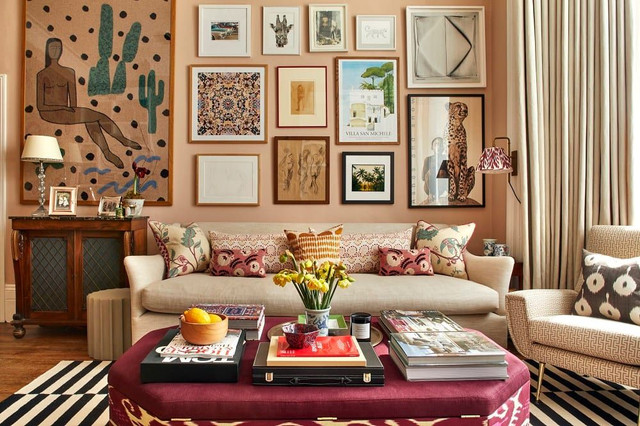
Bohemian design embraces creativity, individuality, and cultural influences. Unlike structured design approaches, bohemian interiors encourage personal expression through eclectic combinations of colors, patterns, and textures.
Layered rugs, handcrafted décor, and globally inspired accessories contribute to the vibrant atmosphere. Natural materials such as rattan, wood, and woven textiles add warmth and authenticity. Plants frequently appear throughout these spaces, enhancing their relaxed and organic feel.
Because bohemian interiors prioritize uniqueness, there are few strict guidelines. Homeowners can curate collections that reflect travel experiences, artistic interests, and cherished memories, resulting in highly personalized environments.
Farmhouse Interior Design Style
Farmhouse design celebrates rustic charm and practical comfort. Inspired by traditional country homes, this style features natural materials, neutral color palettes, and vintage-inspired details. Reclaimed wood, shiplap walls, and cozy textiles contribute to its welcoming atmosphere.
Furniture selections emphasize durability and simplicity. Large dining tables, comfortable seating, and functional storage solutions support everyday family life. Decorative accents often include antique pieces and handcrafted items that reinforce the style’s authenticity.
Modern farmhouse variations incorporate contemporary elements while preserving the warmth associated with rural living. This blend has contributed to the widespread popularity of farmhouse-inspired interiors.
Choosing the Right Interior Design Style

Selecting among different interior design styles requires careful consideration of lifestyle, available space, and personal preferences. Homeowners should evaluate how each style supports their daily routines and long-term needs. Families with children may prioritize durability and functionality, while individuals working remotely may focus on creating productive environments.
Budget considerations also influence design decisions. Some styles require specialized materials or custom furnishings, while others can be achieved through thoughtful organization and strategic accessorizing. Gathering inspiration from magazines, showrooms, and online resources can help clarify design goals.
It is important to remember that interiors do not need to conform strictly to one category. Combining complementary elements from multiple styles can result in balanced, personalized spaces that remain practical and visually appealing.
Conclusion
The world of interior design styles offers endless opportunities for creativity and self-expression. Whether drawn to the clean simplicity of minimalism, the timeless elegance of traditional décor, or the relaxed charm of farmhouse interiors, homeowners can discover approaches that align with their personalities and lifestyles.
Understanding the defining characteristics of various styles simplifies the design process and promotes more confident decision-making. By focusing on functionality, comfort, and aesthetic harmony, individuals can transform ordinary spaces into environments that truly feel like home.
As trends continue to evolve, the most successful interiors remain those that reflect the people who live within them. Exploring different interior design styles provides the inspiration needed to create spaces that are beautiful, purposeful, and enduring for years to come.