Modern House Exterior Design Ideas for Stylish Home Appeal


Introduction
The appearance of a home plays a significant role in creating a lasting impression. A well-planned house exterior design not only improves curb appeal but also increases property value and reflects the homeowner’s personality. From selecting the right materials to choosing suitable colors and architectural elements, exterior design involves multiple aspects that work together to create a cohesive and appealing look.
Modern homeowners are paying greater attention to the outside appearance of their properties. The exterior is the first thing visitors notice, making it essential to invest time and effort into developing a visually pleasing design. Whether constructing a new home or renovating an existing one, understanding the principles of effective house exterior design can help achieve outstanding results.
Importance of House Exterior Design
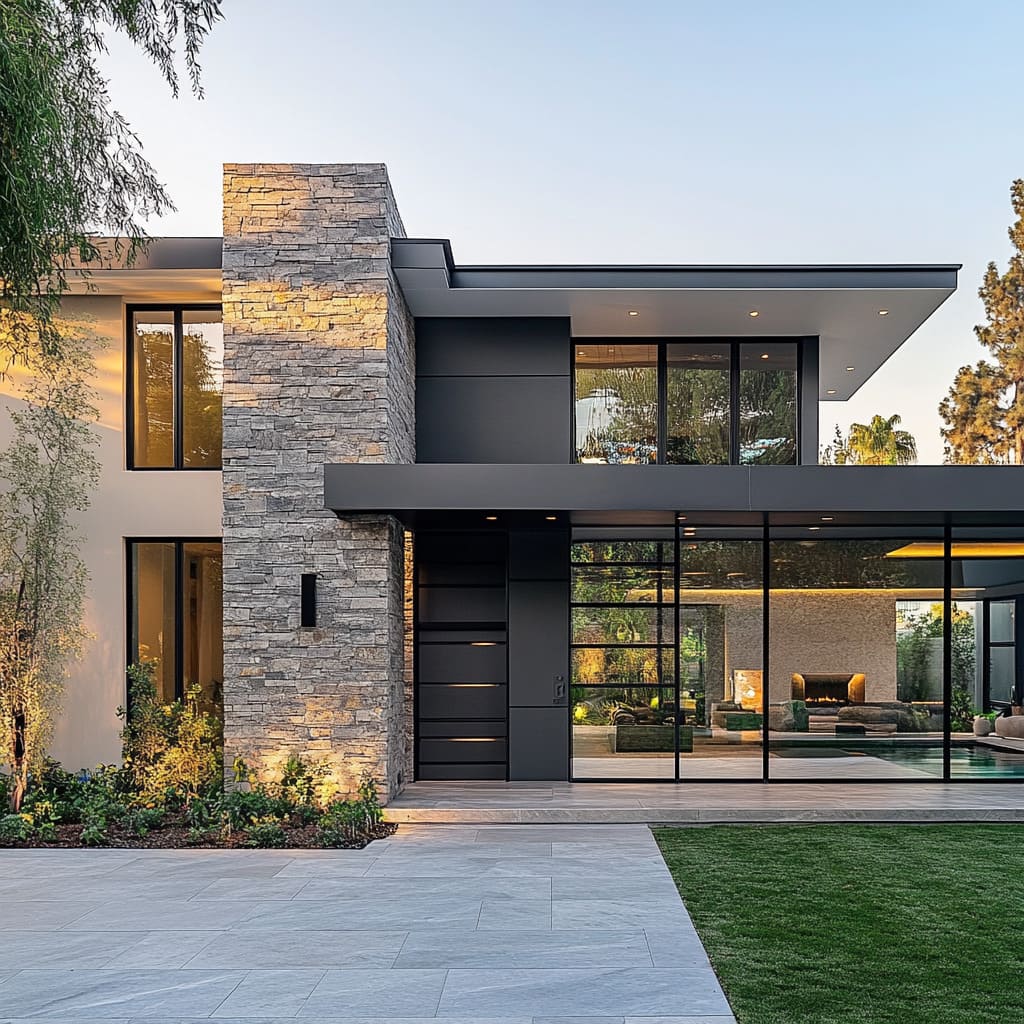
An attractive exterior enhances the overall image of a property. It creates a welcoming environment and contributes significantly to the market value of a home. A thoughtfully designed exterior balances aesthetics with practicality, ensuring durability and long-term performance.
A successful house exterior design also considers climate conditions, maintenance requirements, and energy efficiency. Features such as insulated walls, strategic window placement, and suitable roofing materials can improve comfort while reducing utility expenses. Investing in quality exterior elements often leads to savings over time and minimizes repair costs.
Moreover, the design should complement the surrounding neighborhood while maintaining individuality. A harmonious exterior contributes positively to the overall appearance of the community and demonstrates attention to detail.
Choosing the Right Architectural Style
Selecting an architectural style is one of the first steps in planning a home’s exterior. The chosen style influences material selection, color palettes, roof shapes, and decorative elements.
Contemporary homes often feature clean lines, large windows, and minimalist details. Traditional styles emphasize symmetry, elegant finishes, and classic materials such as brick and stone. Farmhouse-inspired exteriors combine rustic charm with modern functionality through neutral tones and inviting front porches.
When deciding on a style, homeowners should consider their personal preferences, lifestyle needs, and regional influences. Consistency throughout the design ensures a polished appearance that remains appealing for years to come.
Exterior Materials and Finishes
Materials significantly impact the durability and visual appeal of a home’s exterior. Popular options include brick, natural stone, wood cladding, fiber cement siding, stucco, and metal panels.
Brick offers timeless beauty and excellent longevity. Stone creates a sophisticated and luxurious appearance, while wood introduces warmth and character. Fiber cement siding provides versatility and resistance to weather-related damage, making it a practical choice for many homeowners.
Combining complementary materials can add depth and visual interest to the house exterior design. However, balance is essential to avoid an overly complex appearance. High-quality finishes not only improve aesthetics but also protect the structure from environmental factors.
Selecting Exterior Colors
Color selection is a critical component of exterior design. The right combination enhances architectural details and creates a cohesive look. Neutral shades such as white, gray, beige, and earthy tones remain popular due to their timeless appeal.
Accent colors can be introduced through front doors, shutters, trim, and decorative elements. Darker shades may provide contrast and sophistication, while lighter hues contribute to a fresh and spacious appearance.
Climate considerations should also influence color choices. Lighter colors often reflect sunlight and help maintain cooler indoor temperatures. Thoughtful color coordination strengthens the overall effectiveness of the house exterior design and contributes to a memorable visual impact.
Landscaping and Outdoor Features
Landscaping serves as an extension of the home’s exterior and enhances its attractiveness. Well-maintained lawns, flowering plants, shrubs, and trees create a welcoming environment and soften architectural lines.
Pathways, driveways, retaining walls, and outdoor seating areas improve both functionality and aesthetics. Incorporating lighting elements along walkways and garden spaces enhances safety while highlighting key design features during evening hours.
A balanced landscape plan complements the architectural style of the home and contributes to a cohesive exterior composition. Sustainable landscaping practices, including drought-resistant plants and efficient irrigation systems, also promote environmental responsibility.
Doors, Windows, and Decorative Details

Doors and windows are essential elements that influence the character of a home. Large windows maximize natural light and establish connections with outdoor surroundings. Decorative grilles, stylish frames, and energy-efficient glazing enhance both performance and appearance.
The front door acts as a focal point within the house exterior design. Choosing an eye-catching design with quality hardware creates a welcoming entrance. Additional decorative details such as columns, railings, pergolas, and shutters provide personality and architectural interest.
Attention to these features elevates the overall presentation of the property and reinforces the chosen design style.
Roofing and Lighting Considerations
Roofing materials contribute significantly to the exterior aesthetic. Asphalt shingles, clay tiles, metal roofing, and slate each offer distinct advantages regarding appearance, durability, and maintenance requirements.
Exterior lighting enhances functionality and visual appeal. Wall-mounted fixtures, pathway lights, and accent lighting improve visibility and create a comfortable atmosphere. Proper illumination highlights architectural features and extends the usability of outdoor spaces.
Integrating practical solutions with attractive design choices ensures that the home remains both beautiful and efficient throughout changing seasons.
Trends in Modern House Exterior Design
Current trends emphasize simplicity, sustainability, and personalized details. Homeowners increasingly prefer clean architectural lines, mixed-material facades, and energy-efficient features.
Smart technology integration, including automated lighting and security systems, adds convenience and enhances property value. Sustainable materials and environmentally conscious practices continue gaining popularity as homeowners prioritize long-term benefits.
Despite evolving trends, the most successful house exterior design solutions focus on timeless principles of balance, proportion, and functionality. By combining modern innovations with enduring design concepts, homeowners can create exteriors that remain relevant and appealing.
Conclusion
A carefully planned house exterior design transforms a residence into a visually striking and functional living space. From selecting architectural styles and durable materials to incorporating landscaping and decorative elements, every decision contributes to the home’s overall character.
Investing in exterior improvements offers numerous benefits, including enhanced curb appeal, increased property value, improved energy efficiency, and greater pride of ownership. Whether embracing contemporary trends or traditional influences, homeowners should prioritize quality, harmony, and practicality throughout the design process.
Ultimately, a thoughtfully executed house exterior design reflects personal style while meeting everyday needs. By paying attention to detail and making informed choices, it is possible to create an inviting exterior that leaves a lasting impression for years to come.