Defining Fire-Resistant, Fire-Retardant, and Non-Flammable Materials
It’s important to get a handle on some terms before we get too deep into building materials. Not all materials that resist fire are the same.
- Fire-resistant materials are built to stand up to high heat and won’t catch fire easily. They keep their shape and strength when things get hot.
- Fire-retardant materials aren’t naturally fireproof, but they’ve been treated, usually with chemicals, to slow down how fast flames spread. Think of it as giving them a fighting chance.
- Non-flammable materials just won’t burn, period, under normal fire conditions. They’re the ones that don’t even get started.
Knowing the difference helps you pick the right stuff for the job. Fire-resistant and non-flammable items are usually for the big structural bits, like walls and roofs, where a fire might actually reach them. Fire-retardant stuff is often used on things like wood framing or insulation where you want an extra layer of protection. It’s all about putting the right material in the right spot.
The Importance of Fire-Resistant Construction in Modern Building
Building with fire resistance in mind isn’t just a good idea anymore; it’s becoming a necessity. We’re seeing more intense wildfires and building codes are catching up. Plus, with more homes and businesses packed closer together, a small fire can quickly become a big problem. Using materials that can handle heat and slow down flames helps protect lives and property. It gives people more time to get out safely and gives firefighters a better chance to control the situation. This approach is key to building structures that can handle the challenges we face today, especially in areas prone to wildfires. It’s about making buildings tougher and safer for everyone. For builders, staying current with these materials is becoming a standard part of the job, especially when looking at exterior wall options [70cc].
Key Elements of Fire-Resistant Building Design
Creating a building that can resist fire involves more than just picking the right materials; it’s about how they’re put together. Here are some main things to think about:
- Non-combustible materials: Using things like concrete, steel, brick, and gypsum board means the building’s bones won’t easily catch fire and will hold up longer when exposed to heat.
- Fire-rated exterior: Roofing and siding that have a good fire rating, like Class A, are really important, especially in areas where embers can fly around. This helps stop the building from catching fire from outside sources. You can learn more about how these ratings are determined through tests like ASTM E84 [50a1].
- Insulation and barriers: Special insulation and wall systems are designed to slow down heat and flames. This buys valuable time for people to evacuate and for emergency crews to arrive.
Putting these elements together creates a much safer structure overall.
Essential Fire-Resistant Materials for Exterior Applications
When building or renovating, especially in areas prone to wildfires, the exterior of a structure is the first line of defense. Choosing the right materials here can make a significant difference in a home’s ability to withstand fire. It’s not just about looks; it’s about performance when it matters most.
High-Performance Roofing Options
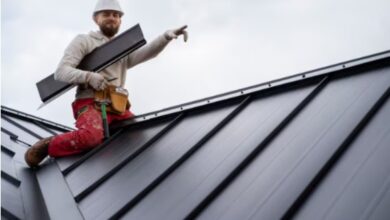
Your roof takes a direct hit from embers and radiant heat. Opting for materials that don’t ignite easily is key. Metal roofing, for instance, is a popular choice because it’s non-combustible and reflects heat. Other good options include certain types of asphalt shingles rated for high fire resistance, and composite roofing made from fire-resistant materials. The goal is to select a Class A fire rating, which is the highest level of protection available for roofing. This level indicates superior performance against direct flame impingement and burning embers. For more details on material choices and their ratings, resources on home hardening and fire resistance can be very helpful.
Durable Siding and Cladding Choices
The walls of your home need to stand up to intense heat and potential flying debris. Materials like fiber cement siding are a solid choice. They are made from a mix of cement, sand, and cellulose fibers, making them resistant to ignition and the release of toxic fumes. Stucco, a cement-based plaster, also provides a good barrier, sealing out embers and resisting flames. Natural stone and manufactured stone veneer are inherently non-combustible and offer excellent durability. These options provide a strong defense, particularly in wildfire-prone environments, helping to prevent ignition from flying embers.
Protective Wall Assembly Components
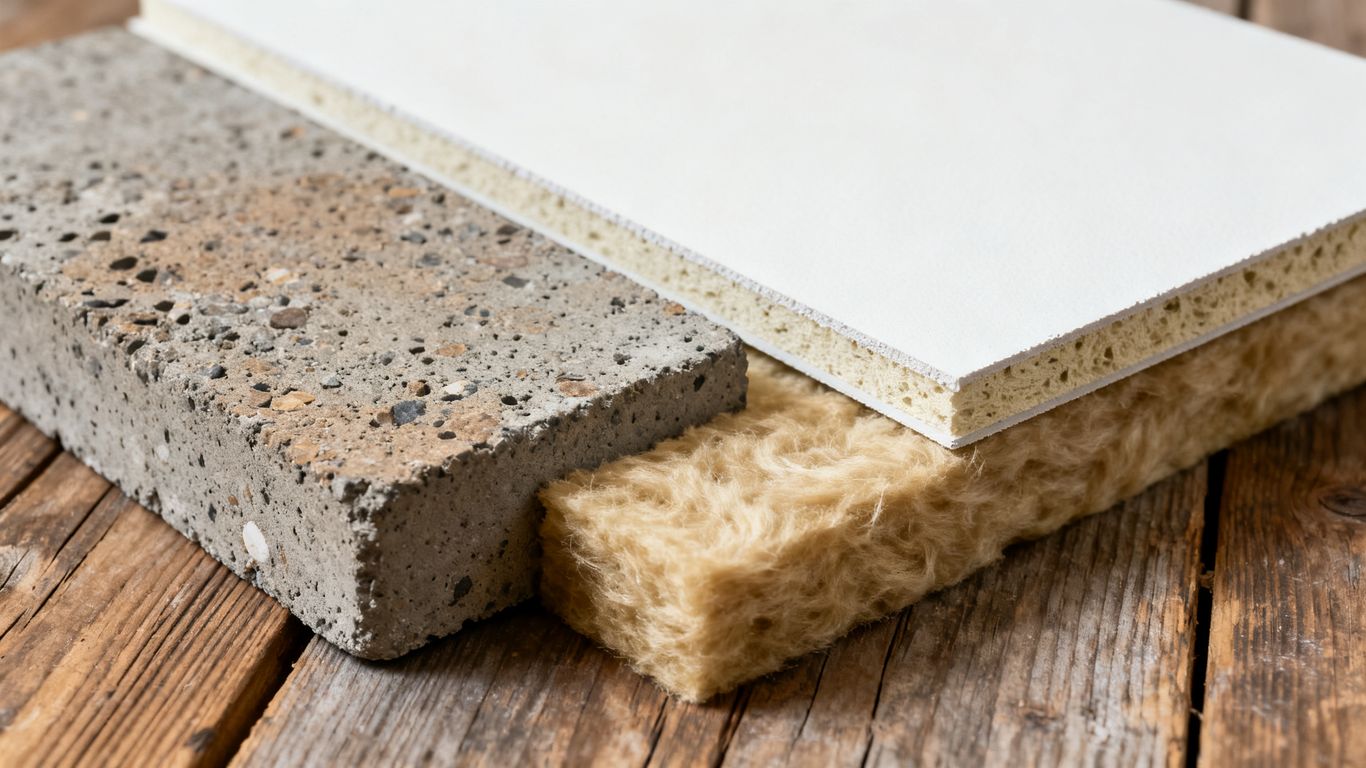
Beyond the visible siding, the entire wall assembly needs consideration. This includes the materials used behind the siding and the structural elements. Using fire-resistant sheathing, such as gypsum-based products or specialized cement boards, adds another layer of protection. Insulation within the wall cavity also plays a role; mineral wool insulation, for example, is non-combustible and can withstand high temperatures without contributing to fire spread. When selecting components for your wall assembly, think about how each layer contributes to the overall fire resistance of the exterior.
Interior Fire Resistance Strategies
When thinking about fire safety inside a building, it’s not just about the big structural elements. The materials we use for interior finishes play a significant role in how a fire behaves if it starts. Choosing the right interior materials can significantly slow the spread of flames and smoke, giving occupants more time to get out safely. It’s about creating layers of defense from the inside out.
Gypsum Board and Other Interior Linings
Gypsum board, commonly known as drywall, is a go-to material for interior walls and ceilings. Its core is made of gypsum, a mineral that contains water molecules. When exposed to heat, this water is released as steam, which absorbs a good amount of heat before the board itself starts to break down. This process slows down the fire’s progress. For areas needing extra protection, thicker gypsum boards or specialized fire-rated versions are available. These are often used in:
- Creating fire-rated walls between different occupancy zones.
- Lining shafts for elevators or utilities.
- Forming ceilings in commercial spaces to protect the floor above.
Fire-Resistant Insulation Solutions
Insulation doesn’t just keep a building warm or cool; it can also be a barrier against fire. Materials like fiberglass and mineral wool are naturally non-combustible and can withstand high temperatures without melting or contributing to fire spread. Treated cellulose insulation also offers good fire resistance. When installed correctly within wall cavities and floor assemblies, this insulation helps to:
- Slow the transfer of heat through walls and ceilings.
- Prevent flames from easily traveling between different parts of the building.
- Maintain the structural integrity of the building components for a longer period.
Safe Flooring and Decking Materials
The floors and decks inside a home or commercial space are often overlooked in fire safety discussions, but they are critical. Materials that don’t easily ignite or burn are key. Consider these options:
- Ceramic and Porcelain Tile: These are non-combustible and won’t melt or release toxic fumes when heated.
- Concrete: A solid, non-combustible choice that offers a modern look and doesn’t emit harmful gases.
- Natural Stone: Materials like slate and granite are inherently fire-resistant and very durable.
For exterior decks, materials like composite decking made with fire-retardant additives or non-combustible options like metal or concrete can provide a safer surface, especially in areas prone to wildfires. These choices contribute to a more resilient building envelope.
Structural Fire-Resistant Building Components
The backbone of any fire-resistant building lies in its structural components. These are the elements that bear the load and maintain the building’s integrity when exposed to fire. Choosing the right materials here is not just about slowing flames; it’s about preventing collapse and giving occupants and emergency responders critical time.
Concrete and Masonry Systems
Concrete and masonry, including brick and stone, are naturally non-combustible and possess excellent thermal mass. This means they can absorb a significant amount of heat before their structural properties are compromised. They don’t ignite, and their density helps slow the transfer of heat, making them a reliable choice for foundations, load-bearing walls, and slabs. Their inherent durability also contributes to long-term fire resilience. For builders looking for robust options, these materials offer a proven track record in fire safety.
Steel Framing and Metal Systems
Steel is a strong, non-combustible material widely used in modern construction. While steel itself doesn’t burn, it can lose its structural strength and warp when subjected to extreme heat. To counteract this, steel components are often protected with fire-resistant coatings or encasements. This approach allows builders to benefit from steel’s strength and versatility while still meeting stringent fire codes. Metal wall systems and framing are increasingly specified in various building types, from data centers to healthcare facilities, to meet demanding safety standards. Understanding the nuances of steel’s performance under heat is key to its effective use in fire-resistant designs. You can find more information on different construction types and their fire resistance ratings in resources like building construction types I through V.
Advanced Block and Panel Construction
Beyond traditional concrete and masonry, advanced block and panel systems offer innovative solutions for fire-resistant structures. These include insulated composite concrete forms (ICCFs) made from natural materials like mineralized wood and cement, which provide both fire resistance and insulation. Aerated Autoclaved Concrete (AAC) blocks are another lightweight yet fire-safe option. Insulated metal panels (IMPs) are also gaining traction, offering a combination of structural support, insulation, and fire resistance suitable for various applications. These modern materials allow for faster construction while maintaining high levels of safety. For foundational elements, consider using materials like concrete, brick, and stone for their inherent fire resistance.
Specialized Fire Protection Materials
Beyond the primary structural and cladding materials, certain specialized products offer targeted fire protection, acting as critical layers in a building’s overall defense against flames. These materials are often employed where conventional methods might fall short or where specific performance requirements must be met.
Fire-Rated Glass and Glazing
Traditional glass can shatter under intense heat, compromising fire compartmentation. Fire-rated glass, however, is engineered to withstand high temperatures for a specified period. This is typically achieved through laminated construction, where layers of glass are bonded with a special interlayer that expands and chars when exposed to heat, forming a protective barrier. This barrier not only resists fire penetration but also helps insulate against heat transfer. Its use is becoming more common in:
- Interior partitions and doors
- Exterior windows in high-risk areas
- Fire-rated wall assemblies
This specialized glazing provides a way to maintain visibility and natural light while upholding critical fire safety standards.
Intumescent Coatings for Enhanced Protection
Intumescent coatings are applied to surfaces, most commonly steel structural elements, to provide passive fire protection. When exposed to heat, these coatings swell dramatically, often by 20 to 50 times their original thickness, creating a thick, insulating char layer. This char layer protects the underlying material, such as steel beams, from reaching critical temperatures that would cause structural failure. The effectiveness of these coatings is measured by the duration of fire resistance they provide. Proper application is key; the thickness and coverage must meet the manufacturer’s specifications to achieve the desired fire rating. These coatings are a good option for exposed structural steel where traditional fireproofing might be impractical or aesthetically undesirable.
Fire-Retardant Treated Wood Applications
While wood is a combustible material, fire-retardant treatments can significantly alter its behavior in a fire. Fire-retardant treated wood (FRTW) is lumber or engineered wood that has been pressure-impregnated with chemicals. These chemicals react when heated, releasing water vapor that cools the wood and forming a char layer that slows combustion. FRTW is particularly useful in applications where wood framing is desired but fire codes require a higher level of resistance. Common uses include:
- Roof framing and sheathing in certain jurisdictions
- Interior wall studs and floor joists
- Structural components in areas with strict fire regulations
Using FRTW can be a practical way to incorporate wood into building designs while meeting safety requirements, especially in areas where the risk of wildfire is a concern. For more information on treated wood products, consider resources on fire-resistant sheathing.
Selecting the Right Fire-Resistant Materials
Choosing the correct fire-resistant materials for any building project involves looking at a few different things. It’s not just about picking the most fireproof item off the shelf; you have to think about where the building is, what kind of project it is, and how much money you have to spend. For example, if you’re building in an area known for wildfires, like parts of California, you’ll want to focus on exterior materials that can really stand up to heat and embers. Think about things like fiber cement siding or stucco, which are popular choices for their ability to resist ignition. These materials are key for making sure the outside of the home can handle potential threats. For new builds, especially larger ones, using integrated systems like aerated concrete blocks or specialized panel construction might be the way to go. These can offer structure, insulation, and fire safety all in one. If it’s more of a renovation, you might be looking at adding fire-rated drywall or using mineral wool insulation in existing walls. It’s about finding the right fit for the specific job.
Considering Project Scope and Location
The location of a building project is a major factor when selecting materials. Structures in wildfire-prone regions, for instance, require a higher level of fire resistance, particularly for exterior components. The U.S. Office of Energy Efficiency and Renewable Energy suggests specific material choices for wall assemblies in these areas, emphasizing non-combustible cladding like stucco, stone, or fiber cement siding. The scope of the project also plays a role. A new, ground-up construction might allow for the integration of advanced systems like aerated concrete blocks, which provide structural integrity and fire resistance simultaneously. Conversely, a renovation might focus on upgrading existing elements, such as adding fire-rated drywall or improving insulation. Builders must assess the specific risks and requirements dictated by the site and the scale of the build.
Balancing Budget, Sustainability, and Performance
When selecting fire-resistant materials, builders often face the challenge of balancing cost, environmental impact, and performance. While some high-performance materials might come with a higher price tag, their longevity and the safety they provide can offer long-term value. Sustainability is also increasingly important. Materials that are not only fire-resistant but also made from recycled content or have a low environmental footprint are becoming more desirable. For instance, some engineered wood products are treated to be fire-retardant, offering a compromise between the use of wood and fire safety requirements. It’s about finding materials that meet the necessary fire ratings without compromising other important project goals. Making informed choices here can lead to a building that is safe, responsible, and cost-effective over its lifespan.
Understanding Fire Rating Classifications
Fire ratings are a standardized way to measure how well a material or building component can resist fire. These classifications are critical for builders to know when selecting products for their projects. For example, materials are often rated by how long they can withstand fire exposure, typically in hours (e.g., a 1-hour or 2-hour rating). This is especially important for structural elements and interior wall assemblies. Roofing materials are often classified using the alphabet system (Class A, B, C), with Class A being the most resistant to fire. Understanding these classifications helps builders meet building codes and insurance requirements, and most importantly, ensures the safety of the occupants. For example, in wildfire-prone areas, choosing Class A roofing is a common recommendation to protect against flying embers [137a].