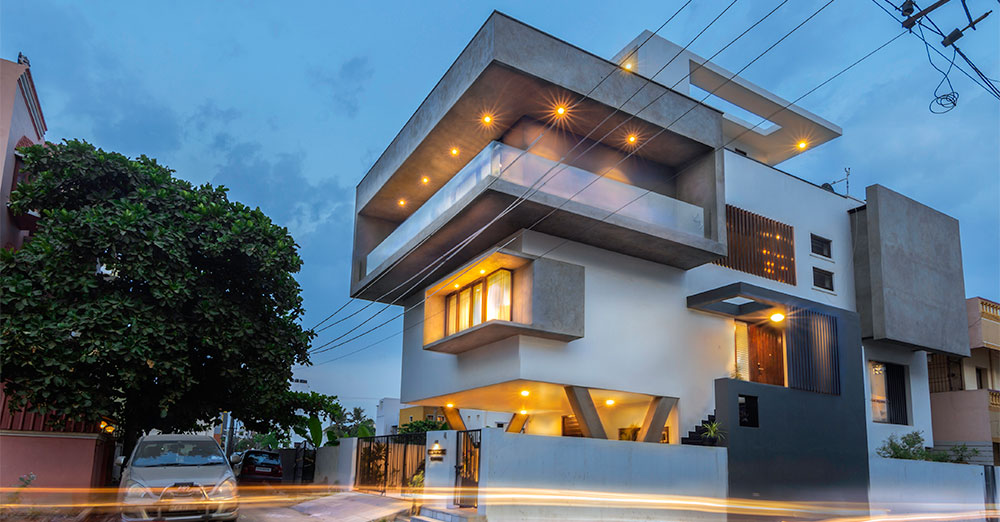
House Exterior Design: Complete Guide to Creating a Beautiful and Functional Home


Your home’s exterior creates the very first impression, making it one of the most important aspects of residential architecture. A thoughtfully planned house exterior design not only enhances curb appeal but also increases property value, improves durability, and reflects your personal style. Whether you’re constructing a new home or renovating an existing one, investing in the right exterior design elements can completely transform the appearance of your property.
From selecting architectural styles and color palettes to choosing materials, lighting, and landscaping, every detail contributes to an attractive and functional exterior. Modern homeowners now prioritize sustainability, energy efficiency, and low-maintenance materials while maintaining elegance and sophistication. This guide explores everything you need to know about designing an impressive home exterior, helping you make informed decisions that blend aesthetics with practicality.
Why House Exterior Design Matters
The exterior of a home is much more than its outer appearance. It protects the structure from weather, improves insulation, and contributes significantly to the property’s market value. A carefully planned house exterior design creates harmony between architecture, landscaping, and surrounding environments.
A beautiful exterior also makes homeowners feel proud of their investment. Visitors immediately notice details such as roofing, windows, entryways, lighting, and gardens. Even small improvements like repainting walls or upgrading the front door can dramatically improve the overall look.
Additionally, modern exterior designs focus on functionality. Proper ventilation, weather-resistant materials, energy-efficient windows, and durable roofing systems ensure long-term performance while reducing maintenance costs. A balanced combination of beauty and practicality results in an exterior that remains appealing for years.
Popular Architectural Styles for Home Exteriors
Choosing an architectural style is the foundation of any exterior design project. Each style offers unique characteristics that influence materials, colors, roofing, and decorative elements.
Modern Style
Modern homes emphasize simplicity, clean lines, large glass windows, and neutral colors. Flat roofs, geometric shapes, and minimal ornamentation define contemporary architecture.
Traditional Style
Traditional homes feature symmetrical layouts, pitched roofs, brick or stone facades, and elegant detailing. These timeless designs remain popular across many neighborhoods.
Farmhouse Style
Farmhouse exteriors combine rustic charm with modern functionality. White siding, black window frames, metal roofs, and spacious porches create a warm and welcoming appearance.
Mediterranean Style
Inspired by coastal European architecture, Mediterranean homes feature stucco walls, terracotta roof tiles, arched windows, and decorative iron accents.
Industrial Style
Industrial homes showcase exposed concrete, steel, wood, and oversized windows, creating a sleek and urban aesthetic.
Selecting the right style ensures every component of the home works together harmoniously.
Choosing the Right Exterior Materials
The materials used significantly influence durability, maintenance, and visual appeal. Selecting quality materials ensures your house exterior design remains attractive despite changing weather conditions.
Some of the most commonly used materials include:
- Brick for timeless durability
- Natural stone for luxury appeal
- Wood for warmth and texture
- Fiber cement siding for low maintenance
- Stucco for Mediterranean aesthetics
- Concrete panels for modern architecture
- Metal cladding for contemporary designs
- Composite materials for longevity
Each material offers unique benefits regarding cost, maintenance requirements, insulation, and lifespan. Combining multiple materials often creates depth and visual interest while enhancing architectural features.
Selecting the Perfect Exterior Color Palette
Color has a powerful impact on the personality of a home. Neutral shades remain the most versatile because they complement various architectural styles while maintaining long-lasting appeal.
Popular exterior color combinations include:
| Color Scheme | Best For | Overall Appearance |
|---|---|---|
| White and Black | Modern Homes | Elegant and Minimal |
| Beige and Brown | Traditional Homes | Warm and Classic |
| Gray and White | Contemporary Homes | Sophisticated |
| Navy and White | Coastal Homes | Fresh and Stylish |
| Olive Green and Cream | Nature-Inspired Homes | Calm and Organic |
| Charcoal and Wood | Luxury Modern Homes | Premium and Bold |
Accent colors on doors, shutters, and trims add personality without overwhelming the design.
The Importance of Roofing in Exterior Design
Roofing is one of the most visible components of any home. Beyond protecting against weather, it significantly influences the overall architectural appearance.
Modern roofing materials include asphalt shingles, clay tiles, concrete tiles, standing seam metal roofs, and slate. Each option varies in durability, maintenance, and cost.

Roof color should complement wall colors and surrounding landscaping. Dark roofs create bold contrast, while lighter shades help reflect sunlight in warmer climates.
Well-designed rooflines also improve rainwater drainage and contribute to energy efficiency by reducing heat absorption.
Windows and Doors That Enhance Curb Appeal
Windows and entry doors often become focal points in exterior architecture. Large windows allow more natural light while creating visual openness from the outside.
Popular window styles include:
- Picture windows
- Casement windows
- Bay windows
- Sliding windows
- Floor-to-ceiling glass panels
Front doors deserve equal attention. Wooden doors create warmth, steel doors provide superior security, and fiberglass options combine durability with attractive finishes.
Adding decorative glass panels, stylish handles, and modern lighting further enhances entrance aesthetics.
Outdoor Lighting for Beauty and Security
Exterior lighting transforms a home’s appearance after sunset while improving safety and security. Properly positioned fixtures highlight architectural features and illuminate pathways.
Effective outdoor lighting includes:
- Pathway lights
- Wall-mounted sconces
- Landscape spotlights
- Porch lighting
- Garage lighting
- Motion sensor security lights
- Garden accent lighting
Warm lighting creates an inviting atmosphere, whereas cool lighting complements modern architecture.
Energy-efficient LED fixtures reduce electricity costs while lasting significantly longer than traditional bulbs.
Landscaping Completes the Exterior Design
Even the most beautiful home can appear incomplete without thoughtful landscaping. Gardens soften architectural lines and connect the house naturally with its surroundings.
A balanced landscape design may include flowering plants, shrubs, ornamental trees, stone walkways, decorative edging, and well-maintained lawns. Water features and outdoor seating areas further enhance visual appeal.
When planning house exterior design, landscaping should complement the home’s style rather than overpower it. Native plants often require less maintenance and adapt better to local climates.
Seasonal flowers add vibrant color throughout the year, while evergreen shrubs provide consistent beauty during every season.

Modern Exterior Design Trends
Homeowners continue embracing innovative ideas that combine style with sustainability. Current trends focus on creating functional outdoor spaces while reducing environmental impact.
Popular trends include:
- Mixed natural materials
- Sustainable building products
- Vertical gardens
- Smart outdoor lighting
- Solar-powered exterior features
- Black-framed windows
- Minimalist architecture
- Large covered patios
- Eco-friendly rainwater collection systems
- Textured stone and wood combinations
These trends help create homes that remain attractive while supporting energy efficiency and environmental responsibility.
Common Mistakes to Avoid
Many homeowners unintentionally reduce curb appeal by overlooking important design principles. Careful planning helps prevent expensive corrections later.
Some common mistakes include:
- Choosing too many contrasting colors
- Ignoring architectural consistency
- Poor landscape maintenance
- Installing mismatched lighting fixtures
- Using low-quality materials
- Neglecting roof maintenance
- Overdecorating the front façade
- Ignoring proper drainage
A cohesive design where every element complements the others always produces the best results.
Budget-Friendly Ways to Upgrade Your Home Exterior
Creating an attractive exterior doesn’t always require a complete renovation. Strategic improvements often produce dramatic visual impact while remaining affordable.
Simple upgrades include repainting exterior walls, replacing outdated lighting fixtures, installing modern house numbers, upgrading the mailbox, refreshing landscaping, pressure washing driveways, repainting fences, and adding decorative planters.
Replacing old garage doors or installing stylish front doors can also provide impressive returns on investment.
Small changes completed over time allow homeowners to gradually achieve their ideal exterior without exceeding their budget.
Planning for Long-Term Maintenance
An attractive exterior requires regular care to maintain its beauty. Preventive maintenance protects both appearance and structural integrity.
Routine tasks include cleaning gutters, inspecting roofing, washing siding, trimming vegetation, repainting surfaces when needed, checking outdoor lighting, and sealing driveways.
Choosing durable materials during construction significantly reduces maintenance costs over the years. Investing in quality products initially often proves more economical than frequent repairs or replacements.
Proper maintenance ensures your house exterior design continues looking fresh while protecting your investment for decades.
Conclusion
A well-planned house exterior design combines architectural beauty, practical functionality, and long-lasting durability. Every decision—from selecting materials and colors to landscaping, lighting, roofing, and decorative accents—contributes to creating a home that stands out while meeting everyday needs. Whether you prefer a sleek modern appearance, timeless traditional elegance, or rustic farmhouse charm, thoughtful planning ensures a cohesive and visually appealing result. Beyond aesthetics, an attractive exterior enhances property value, improves energy efficiency, and provides lasting protection against the elements. By choosing quality materials, maintaining consistency in design, and investing in regular upkeep, homeowners can enjoy an exterior that remains beautiful for many years. With careful planning and attention to detail, your house exterior design can become a perfect reflection of your lifestyle while making a memorable first impression on everyone who visits.
Read more: Exterior Wall Paint Colours Chart: A Complete Guide to Choosing the Perfect Home Exterior