Common Pool Table Problems That Require Professional Repair in Yakima, WA

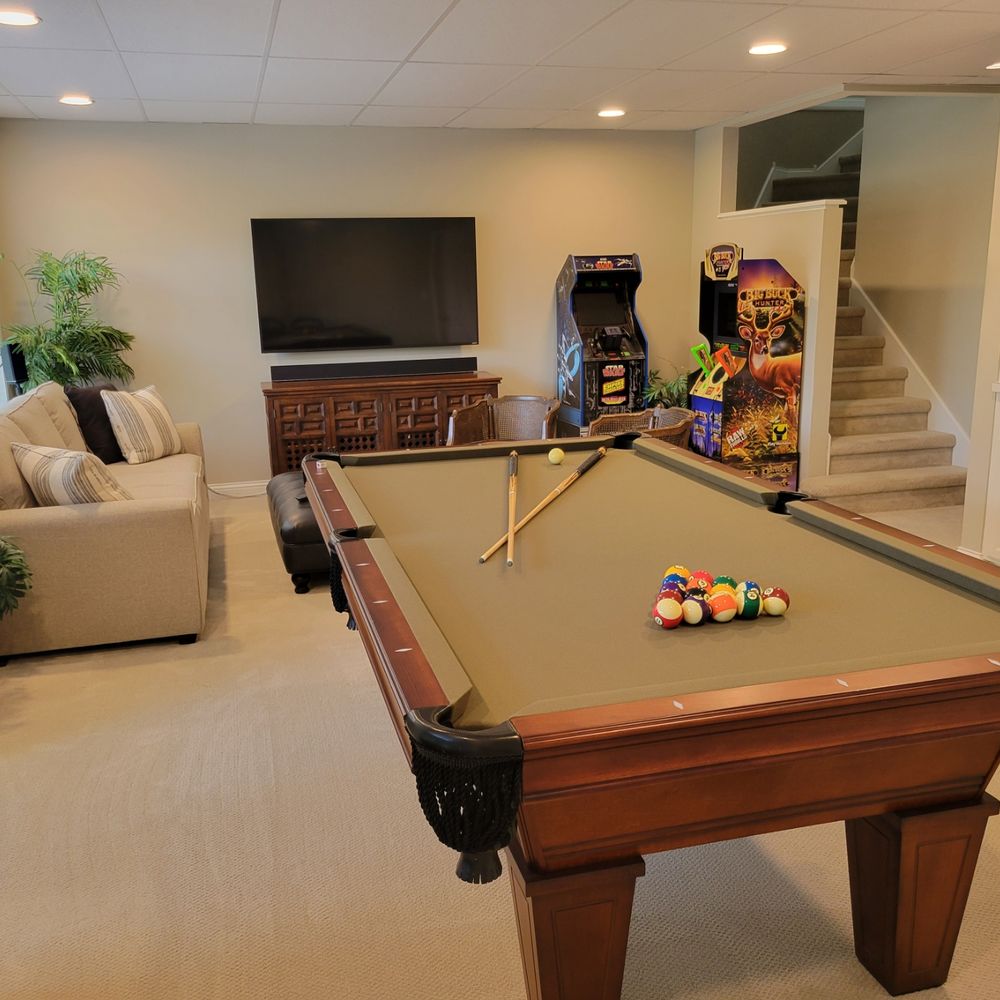
A pool table should provide a consistent playing surface, predictable ball movement, and reliable rebound from the cushions. When something changes, even a small defect can affect how the table plays. Problems can develop through normal wear, accidental damage, improper movement, or years of use.
Professional pool table repair in Yakima, WA focuses on identifying the cause of the problem rather than simply covering visible defects. A proper repair may involve the cloth, cushions, slate, frame, pockets, hardware, or leveling system. Addressing the underlying issue helps restore both appearance and playability.
Worn or Damaged Pool Table Cloth
The cloth is one of the most noticeable components of a pool table. Frequent play eventually causes wear, while spills, tears, burns, and accidental damage can create additional problems.
A worn surface can affect ball speed and movement. Small damage may sometimes be addressed without replacing the entire surface, but extensive wear generally requires professional evaluation.
Pool tables commonly use either napped or worsted cloth. Napped cloth has a directional surface that can slow ball movement and requires more maintenance, while worsted cloth has a smoother, non-directional surface that generally provides faster, more consistent play.
The replacement process should also account for proper tension so the cloth remains smooth and secure.
Cushion Problems Affect Ball Rebound
Rails and cushions determine how balls rebound from the table’s edges. When cushions become hardened, compressed, loose, or damaged, rebound behavior can change.
Quality pool table cushion rubber commonly lasts about 10 to 20 years, although lifespan varies with rubber quality, use, temperature, humidity, and exposure to sunlight. A table with older cushions may therefore be due for inspection even when the damage is not visually obvious.
A table may still look attractive while playing inconsistently because of cushion deterioration. Professional inspection can determine whether the cushions need adjustment or replacement.
Matching replacement components to the table’s design is important for maintaining consistent performance.
Leveling Issues Cause Inconsistent Play
A pool table needs a stable and appropriately leveled playing surface. If the table shifts or the floor conditions change, the playing surface can become uneven.
One symptom is balls drifting when they should travel straight. However, uneven play can have several causes, so the table should be inspected before adjustments are made.
Professional leveling involves more than placing a basic level on the surface. For tournament-standard equipment, the WPA specifications call for slate flatness within approximately 0.020 inches lengthwise and 0.010 inches across the width, with slate joints in the same plane within 0.005 inch after leveling and shimming. The table’s structure, slate sections, frame, and support system may all need evaluation.
Damage to the Playing Surface
Slate or other playing-surface components require careful handling. Cracks, chips, or improper alignment can affect performance and require specialized repair.
Problems can occur after moving a table incorrectly or after impact. Because the playing surface is central to the table’s performance, repairs should be performed carefully to avoid creating additional alignment problems.
Loose Hardware and Structural Issues
Over time, fasteners and structural components can loosen. This can create movement, noise, or instability during play.
A repair professional can inspect the table’s frame, legs, rails, pockets, and hardware to identify loose or damaged components.
Tightening or replacing appropriate hardware can help restore stability without unnecessary replacement of unaffected parts.
How Much Can Pool Table Repairs Cost?
Repair costs vary based on the table, damage, materials, and labor required. As general cost framing, releveling may run around $100–$300, cushion replacement around $250–$500, refelting around $300–$600, and significant slate repair can reach approximately $500–$1,500. Hardware and structural repairs vary more widely because the required parts and labor depend on the specific table.
When Should You Schedule Repairs?
Consider professional service when you notice:
- Balls consistently drifting
- Uneven rebound from cushions
- Torn or severely worn cloth
- Loose rails or pockets
- Table movement during play
- Visible slate or structural damage
- Problems after relocation
Ignoring small problems can allow wear to spread or make accurate play increasingly difficult.
A pool table is a precision playing surface, so repairs should address performance as well as appearance. Yakima owners can protect their investment by responding to worn cloth, cushion problems, leveling concerns, and structural issues early. Have the table inspected when play becomes inconsistent so the repair plan can target the actual cause of the problem.