A home is not just a place to live; it is a reflection of personal style, comfort, and lifestyle choices. Modern homeowners are increasingly looking for designs that combine elegance, functionality, and sustainability. A contemporary house design focuses on clean lines, open spaces, natural materials, smart layouts, and a seamless connection between indoor and outdoor areas. Unlike traditional homes that follow fixed patterns, contemporary designs evolve with changing trends and technologies.
The popularity of contemporary homes has grown because they offer flexibility and a fresh appearance while maximizing available space. Whether it is a small urban house or a large luxury property, contemporary design principles can be adapted to different budgets and locations. With a balance of simplicity and creativity, these homes provide a comfortable environment that suits modern lifestyles.
Key Features of Contemporary House Design
A contemporary house is recognized by its simple yet attractive appearance. The design approach avoids excessive decoration and focuses on practical beauty. Large windows, open floor plans, and natural lighting are some of the most common elements found in these homes. The goal is to create spaces that feel spacious, welcoming, and connected.

One important aspect of a contemporary house design is the use of functional spaces. Every area of the home is planned carefully to improve movement and usability. Rooms often have multiple purposes, allowing homeowners to make the most of their available space. Modern furniture, built-in storage solutions, and minimal decorative elements help maintain a clean and organized look.
Some common features include:
- Open-concept living and dining areas
- Large glass windows for natural light
- Neutral color palettes with accent tones
- Sustainable building materials
- Smart home technology integration
- Simple geometric exterior designs
These features create a home that feels modern while remaining comfortable for everyday living.
Modern Exterior Ideas for Contemporary Homes
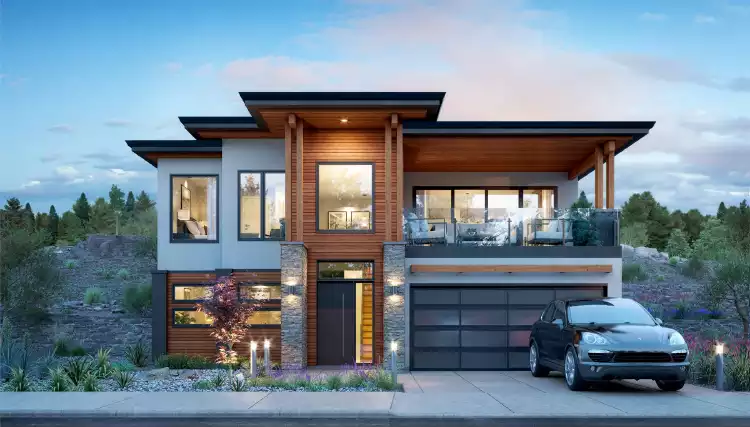
The exterior appearance plays an important role in creating a strong first impression. A contemporary house design usually features a combination of different textures, shapes, and materials. Architects often use materials such as glass, steel, concrete, and wood to achieve a balanced modern look.
Flat or low-slope roofs, wide balconies, and creative lighting designs are popular exterior choices. The use of natural elements like stone walls, wooden panels, and landscaped gardens adds warmth to the overall structure. Instead of complicated architectural details, contemporary homes focus on proportion, symmetry, and visual balance.
Outdoor spaces are also an essential part of modern homes. Patios, rooftop gardens, outdoor seating areas, and small courtyards help create a connection between nature and architecture. These areas improve the appearance of the property while providing additional spaces for relaxation and entertainment.
Interior Design Elements for Contemporary Homes
The interior of a contemporary home emphasizes comfort, simplicity, and efficiency. The main purpose is to create an environment that looks stylish without feeling crowded. Open layouts allow different areas of the home to connect naturally, making the space appear larger.
Furniture selection is usually minimal but functional. Modern sofas, sleek dining tables, and smart storage units are commonly used to maintain a clean appearance. Decorative items are carefully chosen to add personality without overwhelming the room.
Lighting is another important element. Natural sunlight is maximized through large windows and glass doors, while artificial lighting is used strategically to highlight important areas. Layered lighting, including ceiling fixtures, wall lights, and accent lamps, creates a comfortable atmosphere.
A well-planned contemporary interior often includes:
- Minimal furniture arrangements
- Smooth finishes and clean surfaces
- Functional storage spaces
- Indoor plants for freshness
- Modern artwork and decorative accents
These elements help create a stylish home that supports a comfortable lifestyle.
Popular Materials Used in Contemporary House Design
Materials have a major impact on the appearance and durability of modern homes. Contemporary designs often combine natural and industrial materials to achieve a unique visual appeal. The right material choices can improve energy efficiency, maintenance, and overall comfort.
| Material | Benefits | Common Uses |
|---|---|---|
| Glass | Provides natural light and openness | Windows, doors, partitions |
| Wood | Adds warmth and natural beauty | Flooring, walls, furniture |
| Concrete | Strong and versatile | Exterior walls, floors |
| Steel | Provides modern appearance and durability | Frames, railings |
| Stone | Creates a premium natural look | Feature walls, landscaping |
Choosing suitable materials helps homeowners achieve a balance between appearance and long-term performance. A thoughtfully planned contemporary house design uses materials that complement each other while improving the home’s functionality.
Sustainable Features in Contemporary Homes
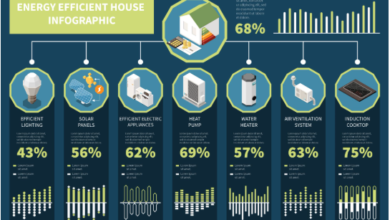
Sustainability has become a major focus in modern architecture. Many homeowners now prefer designs that reduce energy consumption and create healthier living environments. Contemporary homes often include eco-friendly features that support environmental responsibility.
Energy-efficient windows, solar energy systems, rainwater collection, and natural ventilation are common additions. These features help reduce utility costs while improving indoor comfort. Green spaces, such as gardens and vertical plants, also contribute to better air quality.
A sustainable contemporary house design does not only focus on appearance but also considers the impact of the building on the environment. By using renewable materials and energy-saving technologies, homeowners can create spaces that are both attractive and responsible.
Smart technology is another growing trend. Automated lighting, security systems, temperature control, and energy monitoring devices allow homeowners to manage their homes more efficiently.
Small Contemporary House Design Ideas
Contemporary design is not limited to large properties. Small homes can also benefit from modern architectural concepts. The main objective is to maximize space while maintaining style and comfort.

Open layouts, multifunctional furniture, and smart storage solutions are especially useful for smaller homes. Large windows create a sense of openness, while light colors make interiors appear more spacious.
Some effective ideas for small contemporary homes include:
- Combining living and dining areas
- Using vertical storage solutions
- Creating multifunctional rooms
- Adding outdoor extensions
- Using built-in furniture designs
With proper planning, even a compact home can achieve the elegance and practicality associated with modern architecture.
Benefits of Choosing a Contemporary House Design
Choosing a modern architectural style offers several advantages for homeowners. These designs are flexible, attractive, and suitable for changing lifestyles. They focus on creating spaces that are easy to maintain while providing maximum comfort.
| Benefit | Description |
|---|---|
| Better Space Utilization | Makes efficient use of available areas |
| Modern Appearance | Creates a stylish and updated look |
| Energy Efficiency | Reduces energy consumption through smart planning |
| Easy Maintenance | Simple designs require less upkeep |
| Flexible Layouts | Allows future modifications and improvements |
Another advantage is that contemporary homes can increase property value. Buyers often prefer houses with modern layouts, energy-efficient features, and attractive designs. A carefully planned home can provide long-term benefits while matching current lifestyle needs.
Latest Trends in Contemporary Home Architecture
Architecture trends continue to evolve as homeowners search for more personalized and practical spaces. Current trends focus on combining technology, sustainability, and comfort. Designers are creating homes that adapt to the needs of residents while maintaining a modern aesthetic.
Popular trends include indoor-outdoor living spaces, smart home systems, natural textures, and customized layouts. Many homeowners are also choosing flexible rooms that can serve different purposes, such as home offices, entertainment areas, or guest spaces.
Another important trend is the use of earthy colors and natural materials. These elements create a relaxing atmosphere while maintaining a sophisticated appearance. The future of contemporary house design will continue to focus on efficiency, comfort, and environmentally friendly solutions.
How to Plan Your Contemporary Home Project
Planning is one of the most important steps when creating a modern home. Before starting construction, homeowners should consider their lifestyle requirements, budget, location, and future needs.
Working with experienced architects and designers can help transform ideas into practical plans. Proper planning ensures that every element, from room arrangement to material selection, works together effectively.
Important planning steps include:
- Defining your budget and requirements
- Selecting an appropriate floor plan
- Choosing durable materials
- Considering energy-saving solutions
- Planning indoor and outdoor spaces
A successful project requires careful attention to details. The right combination of design, technology, and functionality can create a home that remains attractive and comfortable for many years.
Conclusion
A contemporary house design represents the perfect combination of modern aesthetics, practical living, and innovative solutions. With clean layouts, sustainable features, smart technology, and creative use of materials, these homes provide a comfortable environment for today’s lifestyles.
Whether designing a small residence or a luxury property, contemporary principles allow homeowners to create spaces that are stylish, efficient, and adaptable. By focusing on simplicity, functionality, and future needs, a contemporary home becomes more than just a building—it becomes a personalized living experience that reflects modern values and evolving lifestyles.